 Advanced PHA Biopolymers
We’re Following
Nature's Lead.
Our PHACT™ PHA biopolymers are made by microorganisms that transform CO2 into functional, biodegradable materials.
 Products
PHA Biopolymer Portfolio
From neat resins to compounds tailored for specific packaging or fibers applications, our portfolio of PHA biopolymer products are designed for functionality while delivering certified sustainable attributes from biobased content to compostability.
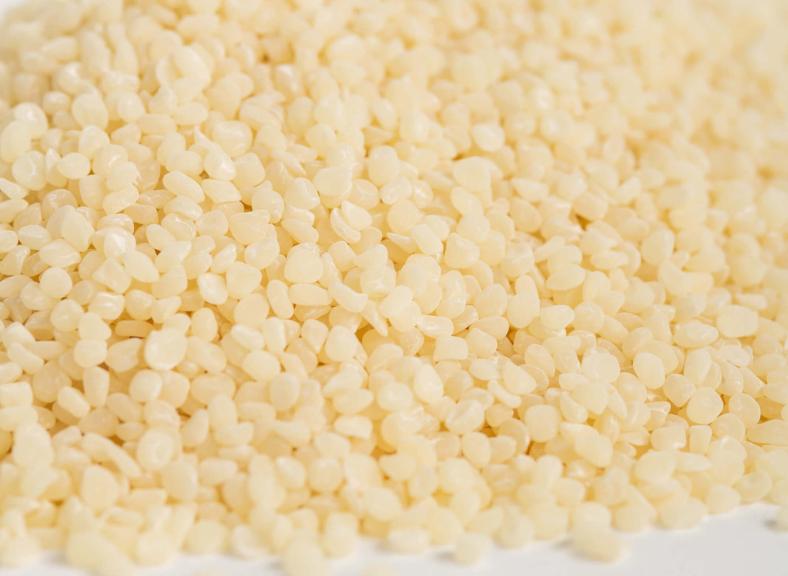
PHA Neat Resins
We manufacture and sell both semi-crystalline PHA and our proprietary amorphous PHA as PHACT™ PHA neat resins that can be used to develop functional and sustainable plastics and fibers applications. Our ability to modify the P3HB and P4HB ratios of co-monomers underscores our ability to tailor neat PHAs for a range of mechanical properties.
Masterbatches
Our masterbatches combine PHACT™ amorphous PHA with biopolymers like PLA to provide an easy handling solution for incorporating aPHA at levels tailored for specific plastics and nonwoven applications.
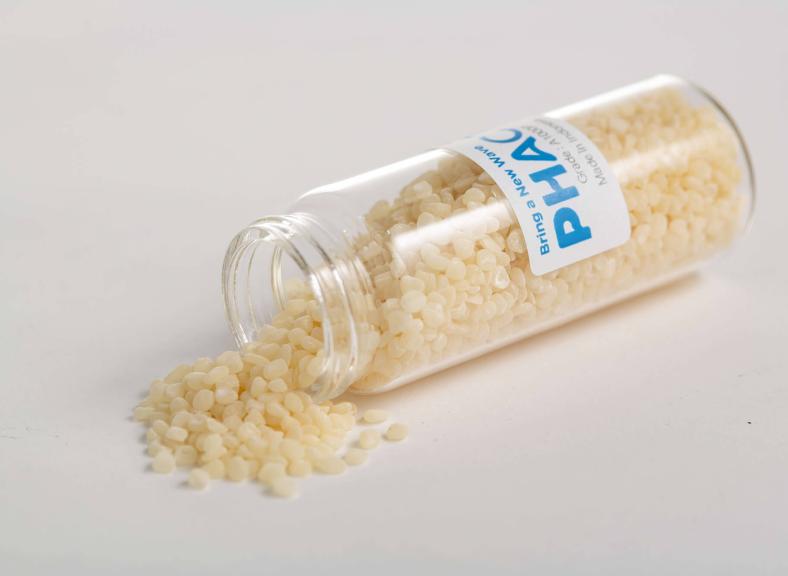
Compounds
Our PHACT™ PHA compounds are designed for sustainability and functionality in applications from compostable food serviceware and paper coatings to biobased nonwovens.

The CJ Difference
From Fermentation Expertise to Functional Biopolymers at Global Scale
Our corporate parent, CJ CheilJedang, has a 60+ year history in advancing fermentation technology to produce ingredients for food, feed, and pharmaceuticals at scale. We are now leveraging that global bioproduction platform to design and manufacture unique PHA biopolymers with functional attributes, competitive costs, and growing global capacity.
Our global technical teams have decades of experience using PHA and designing PHA compounds to create commercially scalable and functional applications from compostable food packaging and serviceware to nonwovens and durables.
Applications
PHACT™ PHA Applications
Our PHAs are used to design highly functional applications that meet the processing needs of converters while delivering the circularity attributes demanded by brands, governments, and consumers.
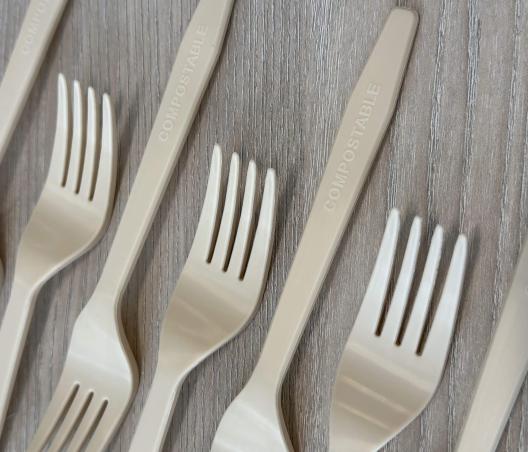
Food Serviceware
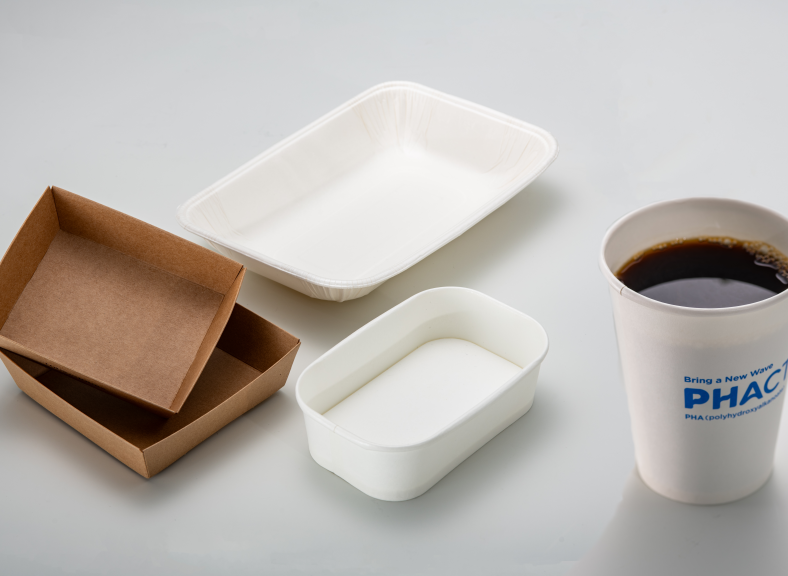
The convenience of food serviceware makers it a part of our everyday lives. Unfortunately, it has also become part of our everyday landscape. PHACT™ PHA can help deliver that convenience without the consequences of the environmental threat. Today we are working across a broad range of serviceware applications – from tray, straws, cups, and cutlery, to enhance the functionality and environmental performance of single use food serviceware. testesstes t
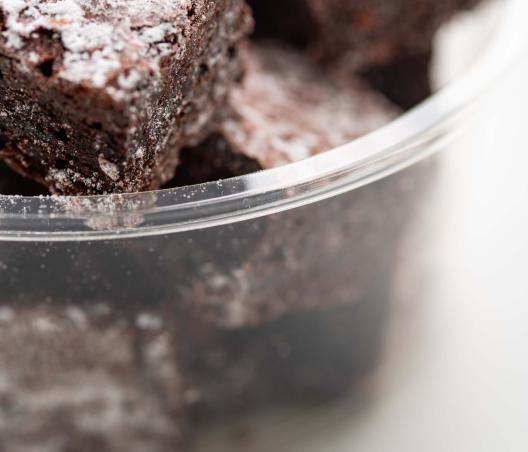
Rigid Food Packaging
Rigid food packaging made with PHACT™ PHA includes structural applications such as containers and bottles.
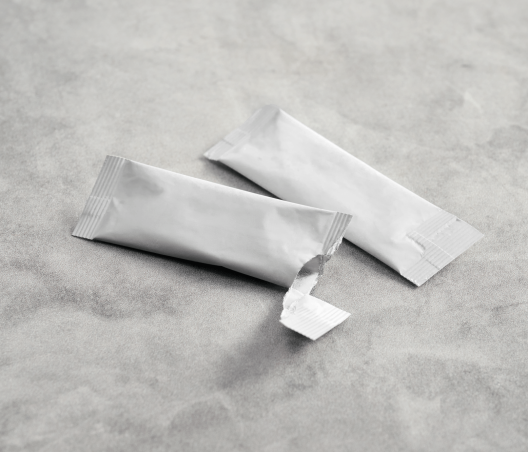
Flexible Food Packaging
Flexible food packaging utilizing PHACT™ PHA covers applications like bags, films, and coatings.
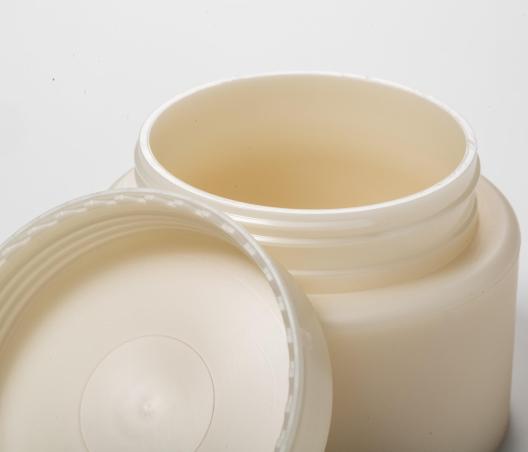
Beauty & Household
The processability, durability, light weight and low cost-in-use of petroleum-based plastics have made them a major component in almost every consumer product we buy today – whether we realize it or not. These products – especially when they are composites – are particularly difficult to recycle effectively. The answer lies in replacing petroleum-based plastics in consumers' goods with more environmentally friendly and bio-based alternatives like our PHACT PHA.
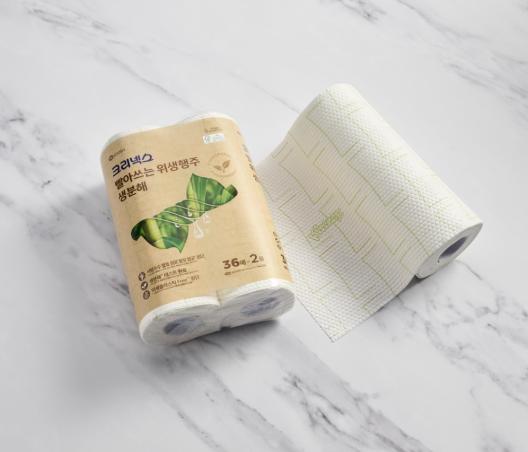
Hygiene Products
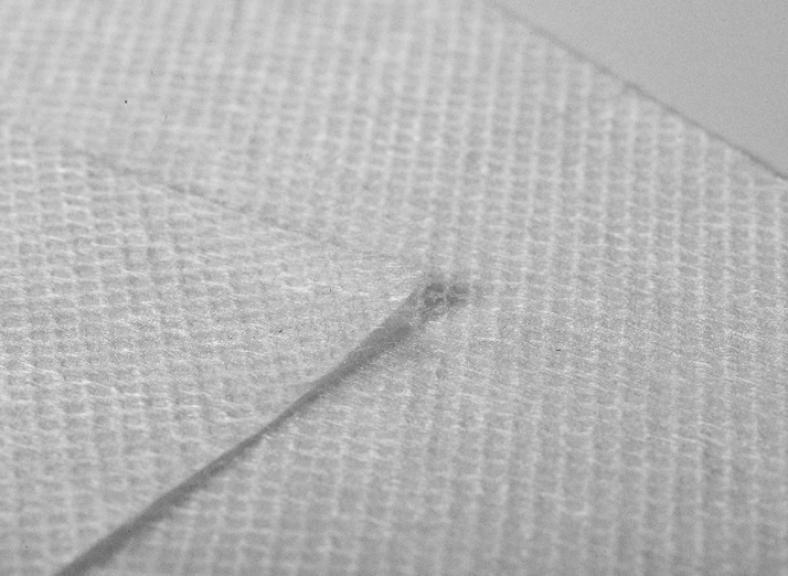
Fibers and nonwovens made with PHACT PHA are biodegradable and compostable – and they offer excellent performance properties in the manufacturing environment. They can be modified to deliver anything from high strength to a soft touch – safely. This makes them suitable for a broad range of end-use applications such as hygiene wipes, diapers, and nonwovens.
Artificial Turf & Infill
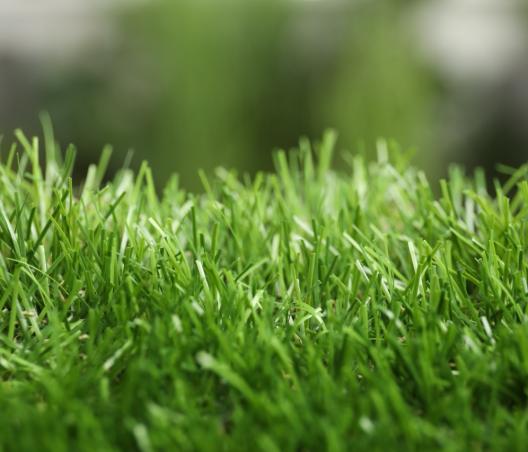
Infill, commonly used in soccer and sports fields, supports artificial turf and absorbs impact, helping to prevent player injuries. By replacing petroleum-based polymers to our bio-based PHACT PHA, we are creating safer turf for athletes and environment that meets performance standards.
Use PHACT™ PHA in Your Next Application
PHACT™ PHA is a safe, low-carbon biomaterial designed to replace persistent fossil-based plastics in everyday products.
Sustainability
A Material Designed by Nature
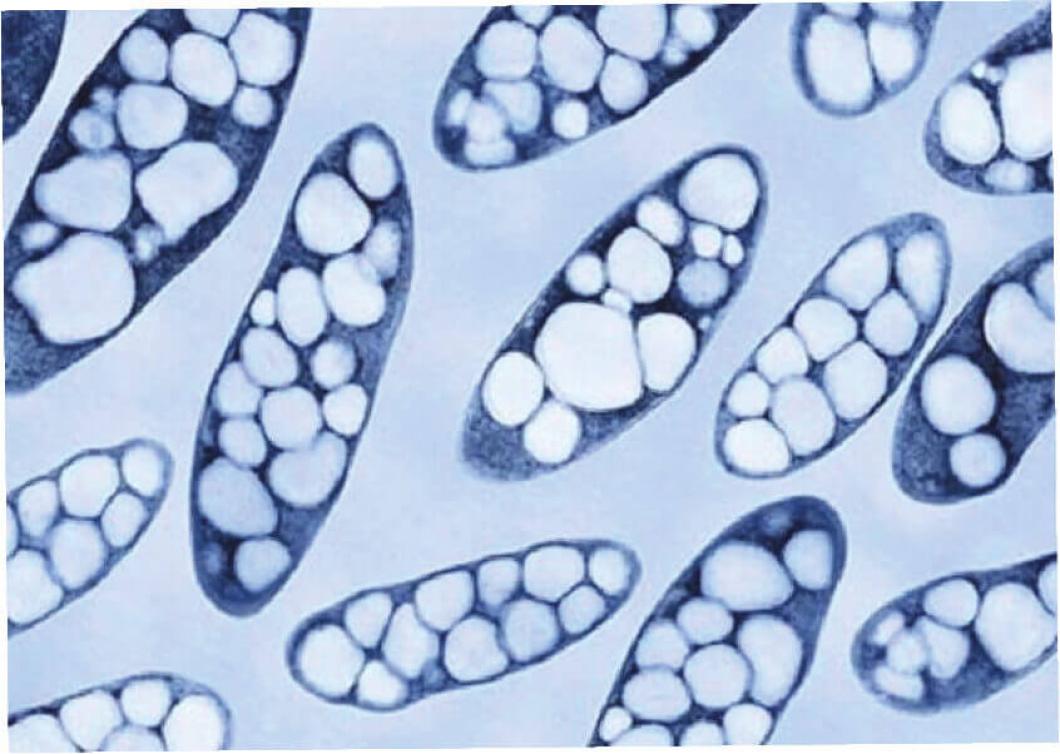
PHAs are naturally occurring materials produced by microbes and found in nature for millions of years. Today, PHACT™ PHAs are manufactured through large-scale fermentation of renewable carbon sources such as plant-based sugars.

Marine/Soil Biodegradable by TÜV AUSTRIA

Commercially and Home Compostable by BPI and TÜV AUSTRIA

Certified Bio-based USDA

No Persistent Microplastics
Press & News
Latest News & Insights
CJ Biomaterials signs partnership with BIQ Materials to produce artificial turf infill made with PHACT™ PHA, a certified biodegradable biopolymer, for the European market
CJ Biomaterials signed an agreement with BIQ Materials, a Swedish biomaterials compounding company, to accelerate the commercialization of PHACT™ PHA-based infill.

CJ Biomaterials Introduces New PHACT™ PHA Masterbatch
CJ Biomaterials has introduced PHACT™ MA1350Q, a new PHA masterbatch specifically designed for staple fiber and spunbond nonwoven applications.
CJ Biomaterials Launches New PHA Platform for Extrusion Coatings
CJ Biomaterials launches new PHA platform for extrusion coatings in repulpable and home compostable food serviceware and food packaging applications.
FAQs
Frequently Asked Questions
Find answers to common questions about PHACT™ PHA materials, applications, performance, and sustainability.
Explore PHACT™ PHA for Your Applications
Our technical team can help evaluate materials, performance requirements, and sustainability targets for your application.
CJ Biomaterials is a business unit of CJ CheilJedang, a company with a history in advancing fermentation technology. Leveraging that global bioproduction platform, CJ Biomaterials focuses on designing and manufacturing unique, functional PHA biopolymers with competitive costs and growing global capacity to deliver scalable solutions for a circular bioeconomy.
CJ Biomaterials produces PHA biopolymers and related basic chemicals using fermentation-based biotechnology. Building on decades of experience in food and biotechnology, the company uses bioscience, chemical engineering, materials innovation, and applications development to manufacture PHA solutions at scale for global markets.
Biodegradable biopolymers (like PHACT™ PHA) are highly versatile and are used to design highly functional applications across several key industries, including, food serviceware, food packaging, beauty & household, hygiene products, and artificial turf & infill.
Replacing traditional plastics with biopolymers offers significant functional and environmental benefits. PHAs can be used as building blocks to replace and improve the functional characteristics of a broad range of polymers. Additionally, PHACT™ PHA is a safe, low-carbon biomaterial designed to replace persistent fossil-based plastics in everyday products, supporting the circularity attributes demanded by brands, governments, and consumers.
Biodegradable materials are crucial because they offer responsible end-of-life options. PHACT™ PHAs are bio-based, compostable, and biodegradable without creating persistent microplastics. They are certified as marine and soil biodegradable, as well as commercially and home compostable. This means they minimize environmental damage and provide a true end-of-life solution that traditional plastics cannot achieve.