PHA Biopolymers for Sustainable Packaging & Fibers

 About PHA
Make a Difference with Sustainable PHA Bioplastics.
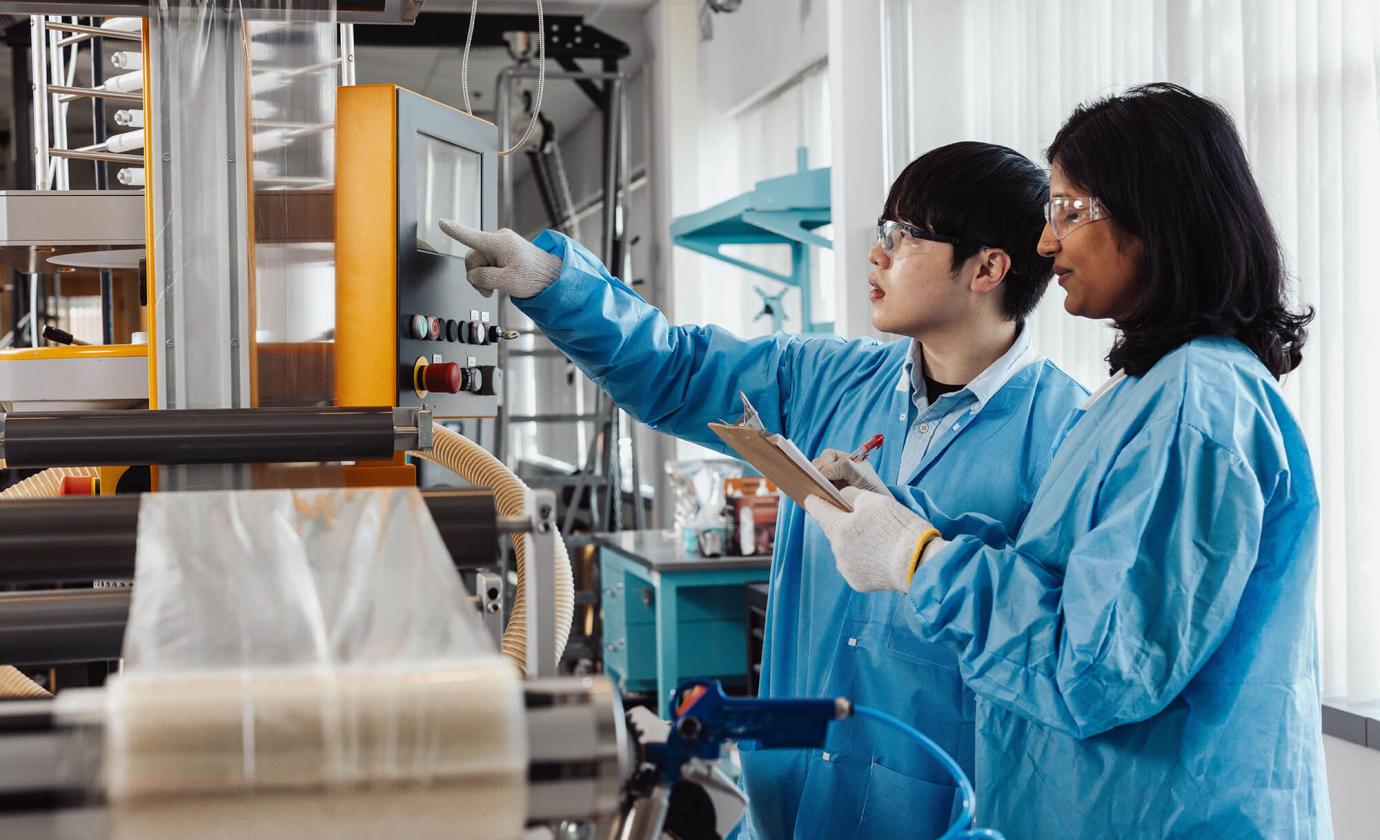
Polyhydroxyalkanoates (PHAs) are a unique material. Derived from nature and produced sustainably, they can be used as building blocks replacing and improving the functional characteristics of a broad range of polymers in the production of finished goods or as starting points for sustainable chemistry.
Products
PHA Product Portfolio
A comprehensive range of PHA materials designed to meet specific processing, performance, and sustainability requirements across industries and applications.
PHA Neat Resins
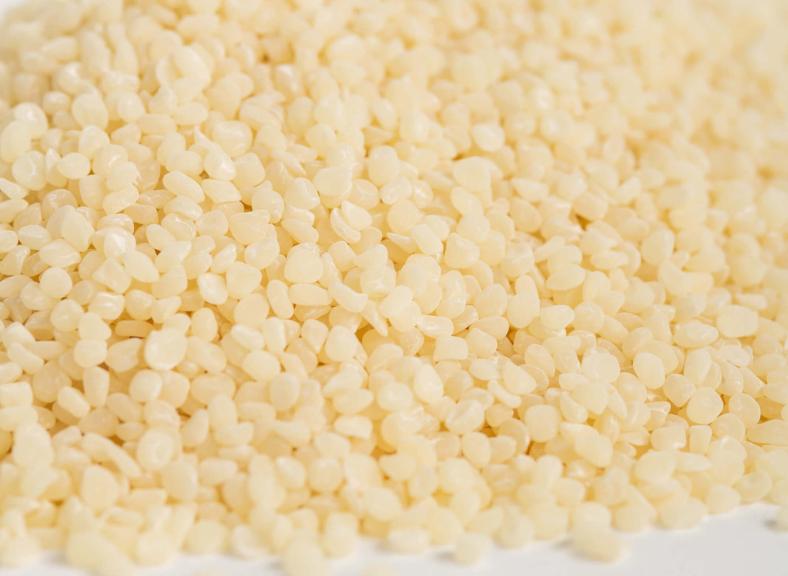
We manufacture and sell both semi-crystalline PHA and our proprietary amorphous PHA as PHACT™ PHA neat resins that can be used to develop functional and sustainable plastics and fibers applications. Our ability to modify the P3HB and P4HB ratios of co-monomers underscores our ability to tailor neat PHAs for a range of mechanical properties.
Masterbatches
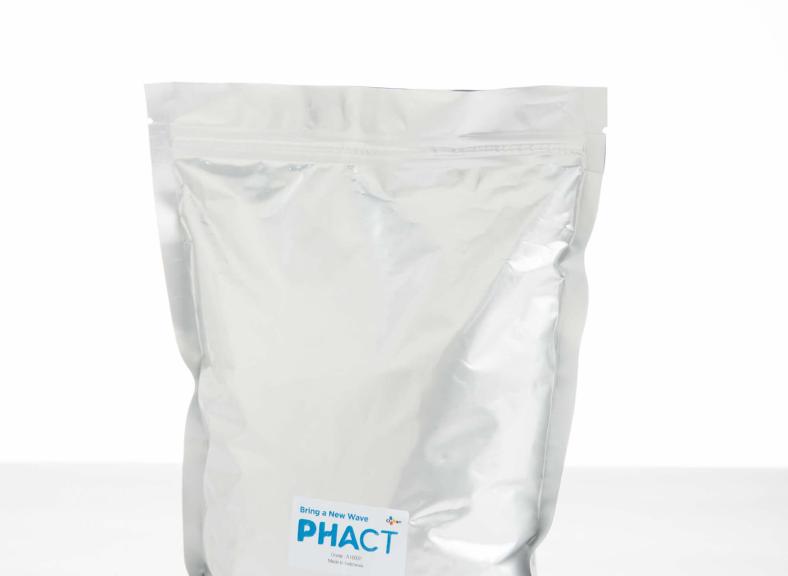
Our masterbatches combine PHACT™ amorphous PHA with biopolymers like PLA to provide an easy handling solution for incorporating aPHA at levels tailored for specific plastics and nonwoven applications.
Compounds
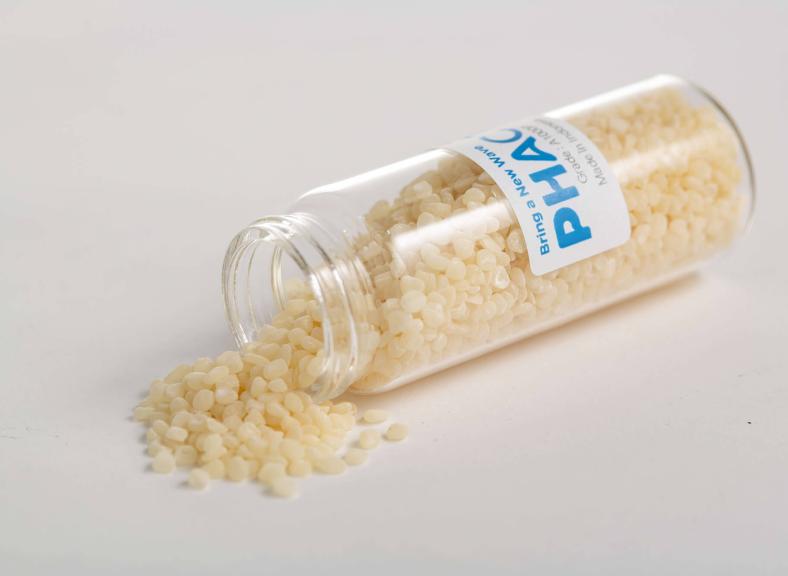
Our PHACT™ PHA compounds are designed for sustainability and functionality in applications from compostable food serviceware and paper coatings to biobased nonwovens.
Find the right PHACT™ PHA product for your sustainable application
From home compostable paper coatings and straws to non-toxic baby wipes and cosmetic packaging, we have the technical PHA experts that will help you choose the right PHACT™ PHA solution for your application.
Want to find a product to fit your needs?
FAQs
Frequently Asked Questions
Find answers to common questions about PHA materials, applications, performance, and sustainability.
Explore PHA for Your Applications
Our technical team can help evaluate materials, performance requirements, and sustainability targets for your product.
CJ Biomaterials, a business unit of global lifestyle company CJ CheilJedang, is a leading manufacturer of polyhydroxyalkanoate (PHA) biopolymers. These PHAs are certified biobased, compostable in home and commercial composting conditions, and biodegradable in marine and soil environments, and do not create persistent microplastics. CJ Biomaterials partners with brands across packaging, consumer goods, food service, nonwovens, and other industries to develop new materials and applications that reduce environmental impact while meeting rigorous performance standards. With headquarters in Seoul, Korea; offices in Woburn, MA, USA, and Frankfurt, Germany; headquarters in Woburn, MA, USA, and manufacturing facilities strategically positioned to serve global markets;, CJBiomaterials is committed to scaling sustainable material solutions that accelerate the transition to a circular bioeconomy.
CJ Biomaterials produces PHA biopolymers and related basic chemicals using fermentation-based biotechnology. Building on decades of experience in food and biotechnology, the company uses bioscience, chemical engineering, materials innovation, and applications development to manufacture PHA solutions at scale for global markets.
Biopolymers present a varied set of peformance characteristics and as such can be used in a large number of unique applications such as food serviceware, rigid/flexible packaging, films, 3D printing filament, adhesives, fibers/textiles, and nonwovens. Inherently, biodegradable bioplastics are very well-suited for applications where recycling or resuables are not practical,inhibitively expensive, and/or organic contamination is unavoidable. Additionally, biodegradable materials present a promising alternative solution in applications that are known to produce significant volumes of persistent microplastics. Contact us to understand if PHACT™ materials are right for your application.
Traditional plastics have their place in certain industries/applications and likely will never be fully replaced by bioplastics. However, biodegradable bioplastics are very well-suited for applications where recycling or resuables are not practical,inhibitively expensive, and/or organic contamination is unavoidable. Bioplastics also utilize renewable carbon feedstocks, presenting a much more carbon neutral solution to petrochemically derived materials that reintroduce formerly sequestered carbon back into the environment. Additionally, biodegradable materials present a promising alternative solution in applications that are known to produce significant volumes of persistent microplastics, addressing a growing enivornmental and health concern. Contact us to understand if PHACT™ materials are right for your application.
Our global economy and society is built on a framework that requires protective,lightweight packaging and products to safely deliver food, water, medicine, clothing, etc. to its population. Plastics, in many cases, are the optimal material from a performance perspective to deliever these solutions with the negative side effect of growing pollution, carbon emissions, and accumulation of persistent microplastics in the environment. This existing system is not sustainable and alternative solutions require implementation. Biodegradable plastics in many cases can be engineered to meet performance requirements of traditional plastics while presenting a near carbon netural and inherently non-persistent waste stream. This presents a viable alternative to meet the necassary requirements that tradtional plastics have filled while also mitigating these pressing environmental and health concerns that must be addressed.