How is PHA Made?
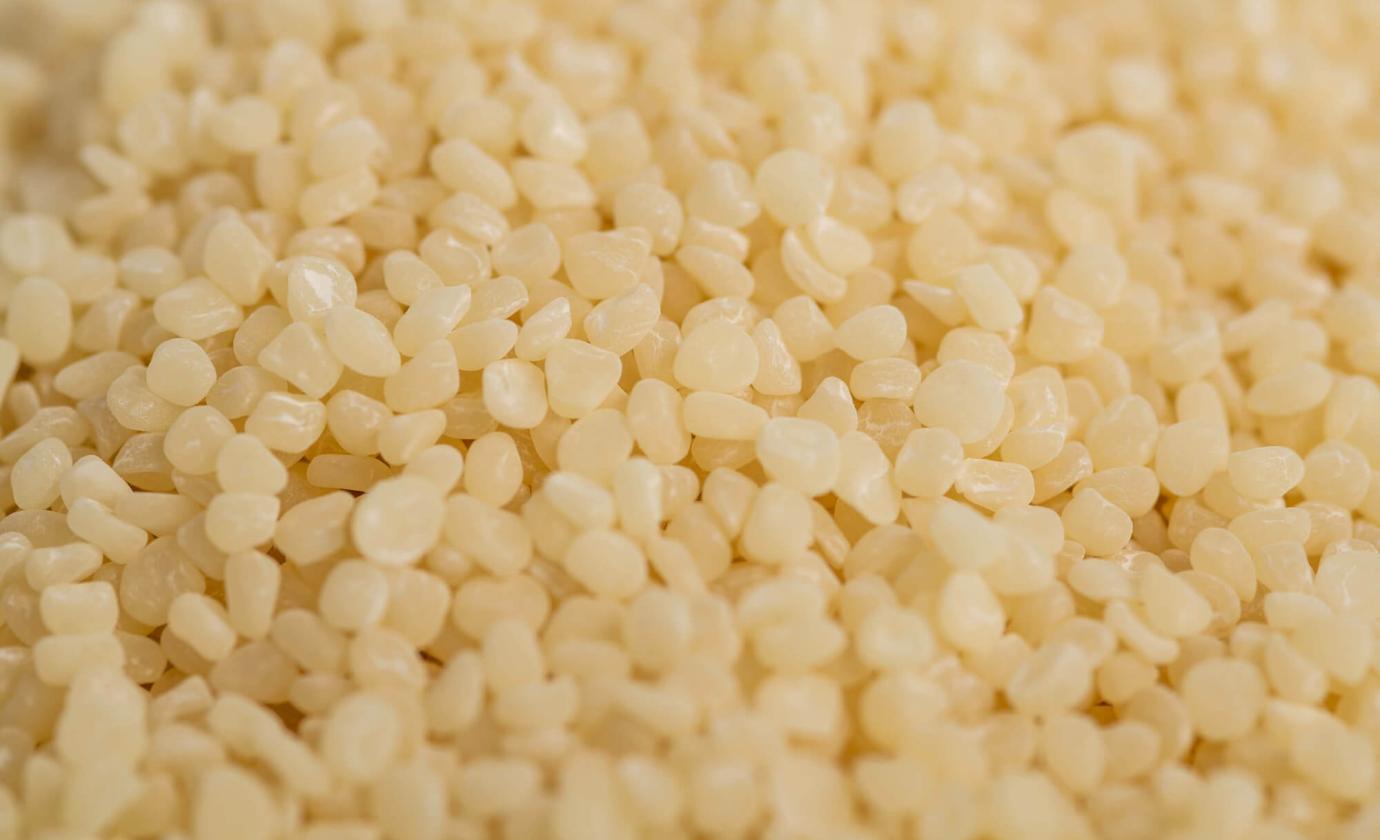
How PHA is Made
Today, we are able to manufacture PHAs through the large-scale fermentation of renewable carbon sources like plant-based sugars, oils, fatty acids, carbon dioxide or methane.
Plant Based Sugars
The process begins with renewable, plant-derived feedstocks. Typically, natural sugars are used as the primary carbon source to feed the microorganisms.

Bacterial Fermentation
The core of PHA production happens inside large bioreactors through aerobic (oxygen-dependent) fermentation.
Microbes consume the sugars and convert them into naturally occurring linear polyesters (PHA), which they store directly inside their cells as an energy reserve
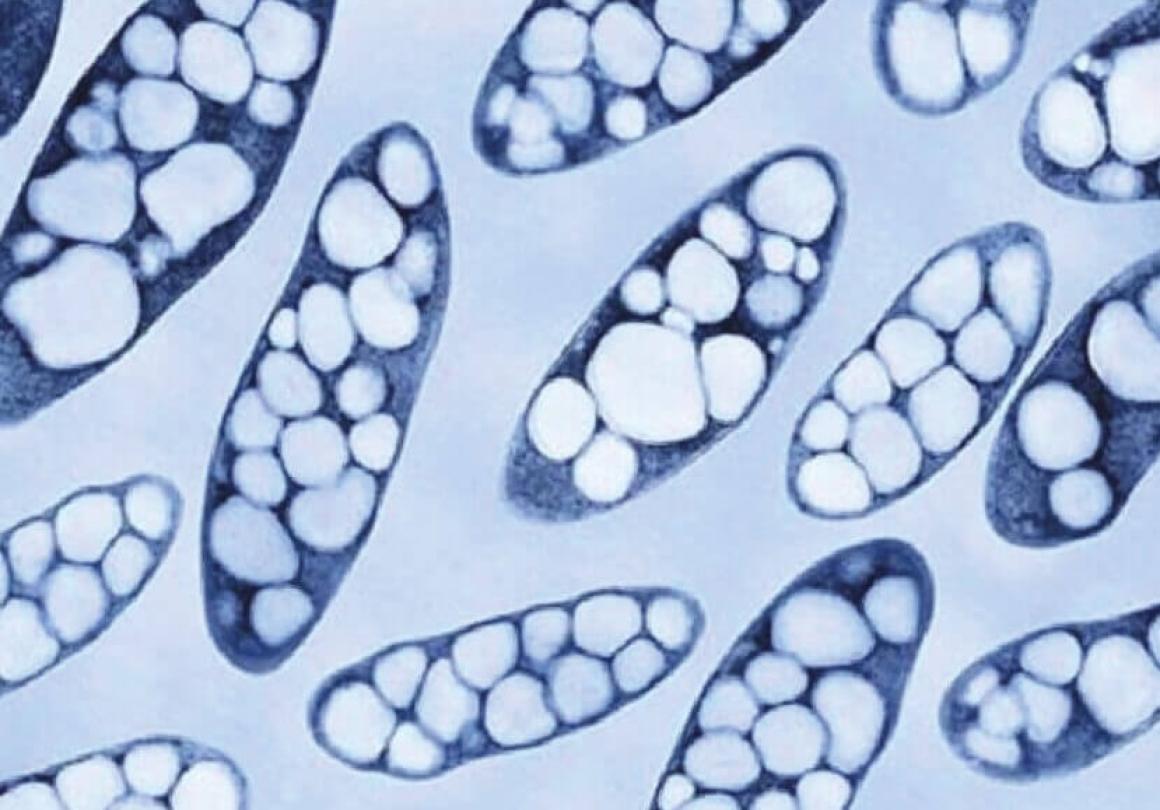
Recovery and Extraction
Once the bacteria have accumulated the maximum amount of PHA, the fermentation broth is harvested. The cell walls are broken open, and the high-purity PHA polymer is carefully extracted and separated from the remaining biological debris.
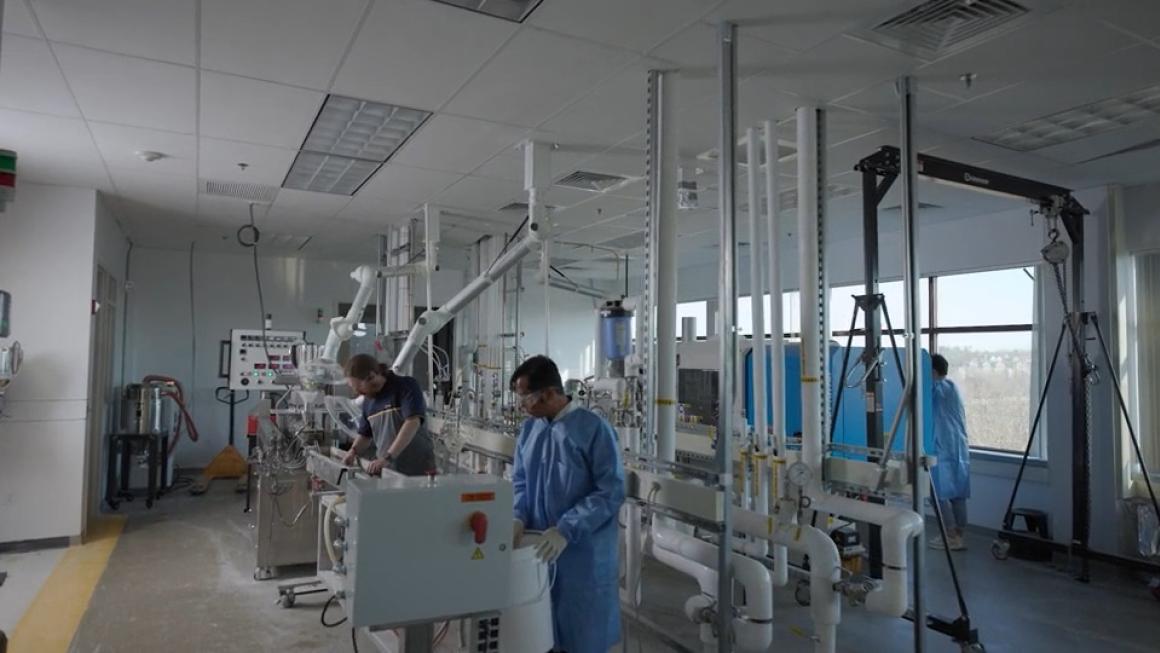
Purification and Pelletizing
The extracted PHA is then dried, purified, and converted into a usable form, such as pellets or resins.
This final material can be compounded and processed just like traditional petrochemical plastics using conventional manufacturing equipment (for injection molding, film blowing, paper coating, etc.).
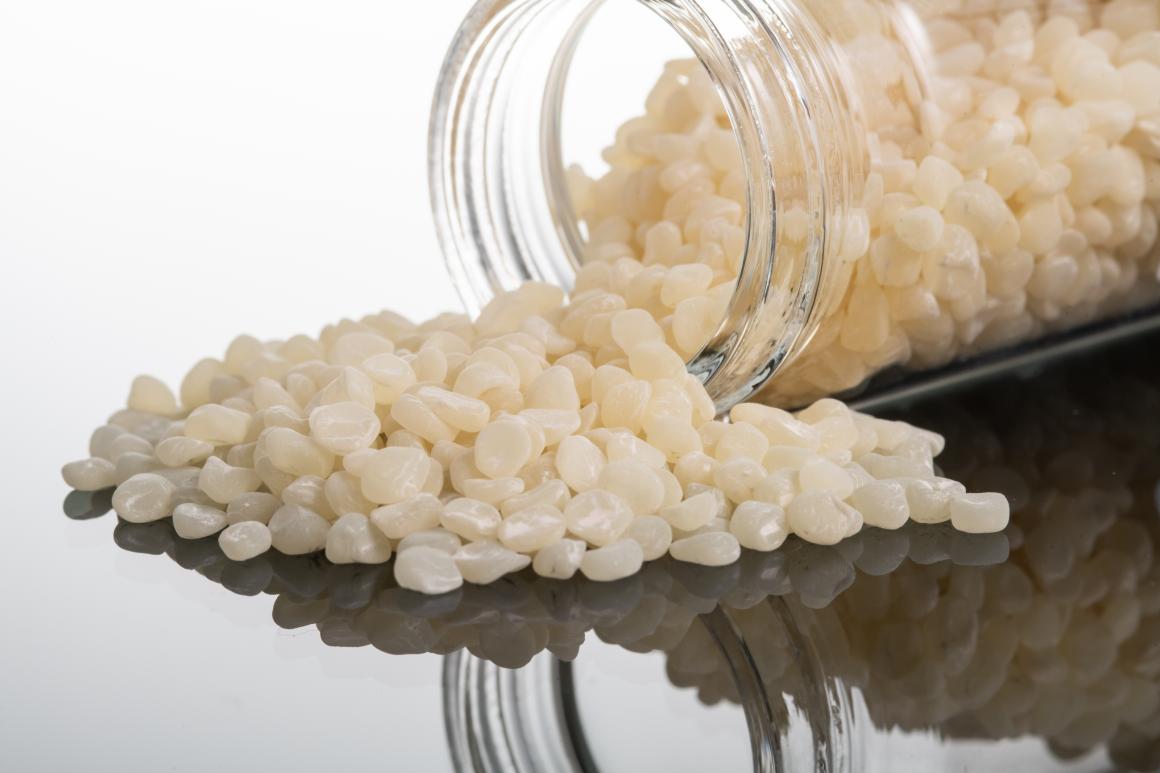
What Can You Make With PHA?
Because PHA can be compounded and processed using traditional plastic manufacturing equipment (such as injection molding, blown film lines, and paper coating machines), it is incredibly versatile.
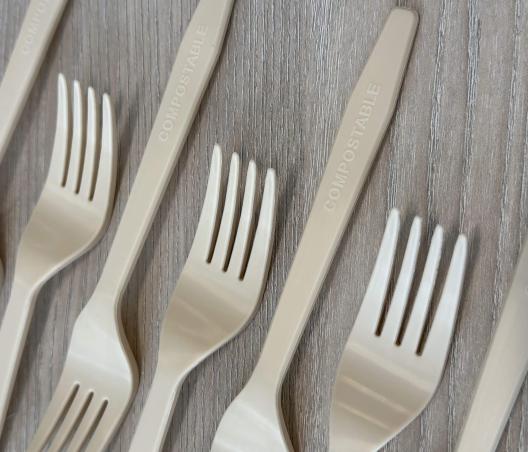
Food Serviceware
The convenience of food serviceware makers it a part of our everyday lives. Unfortunately, it has also become part of our everyday landscape. PHACT™ PHA can help deliver that convenience without the consequences of the environmental threat. Today we are working across a broad range of serviceware applications – from tray, straws, cups, and cutlery, to enhance the functionality and environmental performance of single use food serviceware. testesstes t
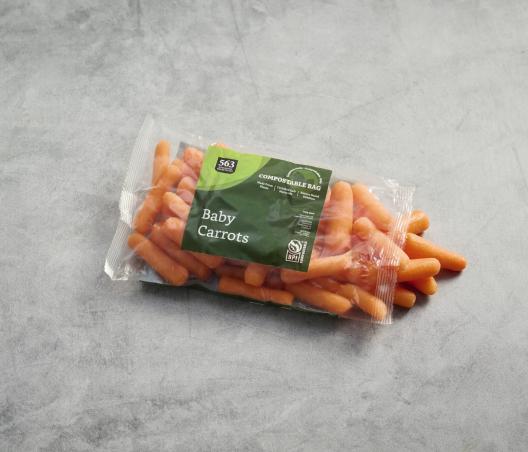
Food Packaging
PHACT™ PHA can play an important role in enhancing the environmental profile and performance of a broad range of flexible and rigid packaging in food and beverage. From containers and bags to bottles and coatings, certified food-safe PHA technology can function alone of in combination with other biopolymers to help usher in the next generation of food and beverage products.
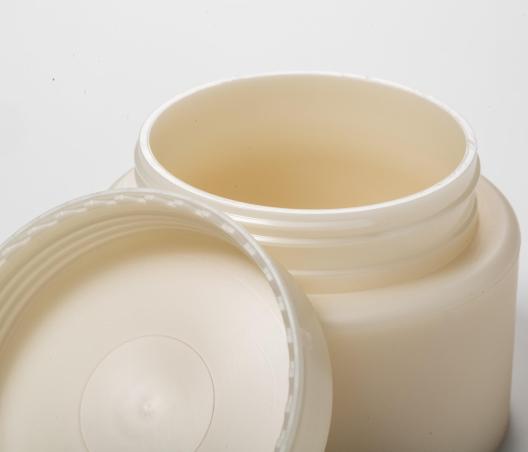
Beauty & Household
The processability, durability, light weight and low cost-in-use of petroleum-based plastics have made them a major component in almost every consumer product we buy today – whether we realize it or not. These products – especially when they are composites – are particularly difficult to recycle effectively. The answer lies in replacing petroleum-based plastics in consumers' goods with more environmentally friendly and bio-based alternatives like our PHACT PHA.
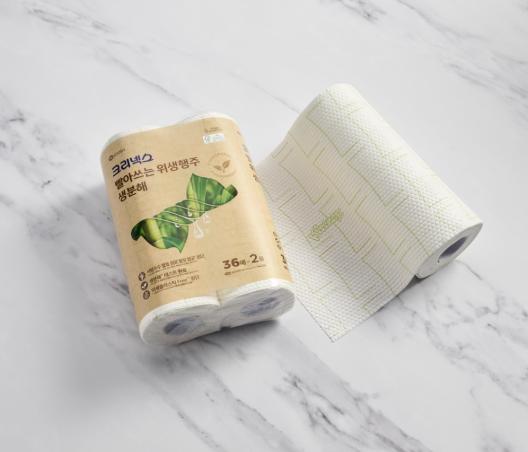
Hygiene Products
Fibers and nonwovens made with PHACT PHA are biodegradable and compostable – and they offer excellent performance properties in the manufacturing environment. They can be modified to deliver anything from high strength to a soft touch – safely. This makes them suitable for a broad range of end-use applications such as hygiene wipes, diapers, and nonwovens.
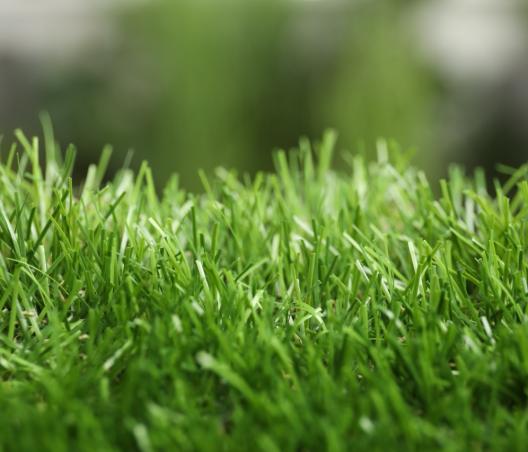
Artificial Turf & Infill
Infill, commonly used in soccer and sports fields, supports artificial turf and absorbs impact, helping to prevent player injuries. By replacing petroleum-based polymers to our bio-based PHACT PHA, we are creating safer turf for athletes and environment that meets performance standards.