01
Plant Sugars
Plant-based feedstocks begin the cycle.
 The Problem
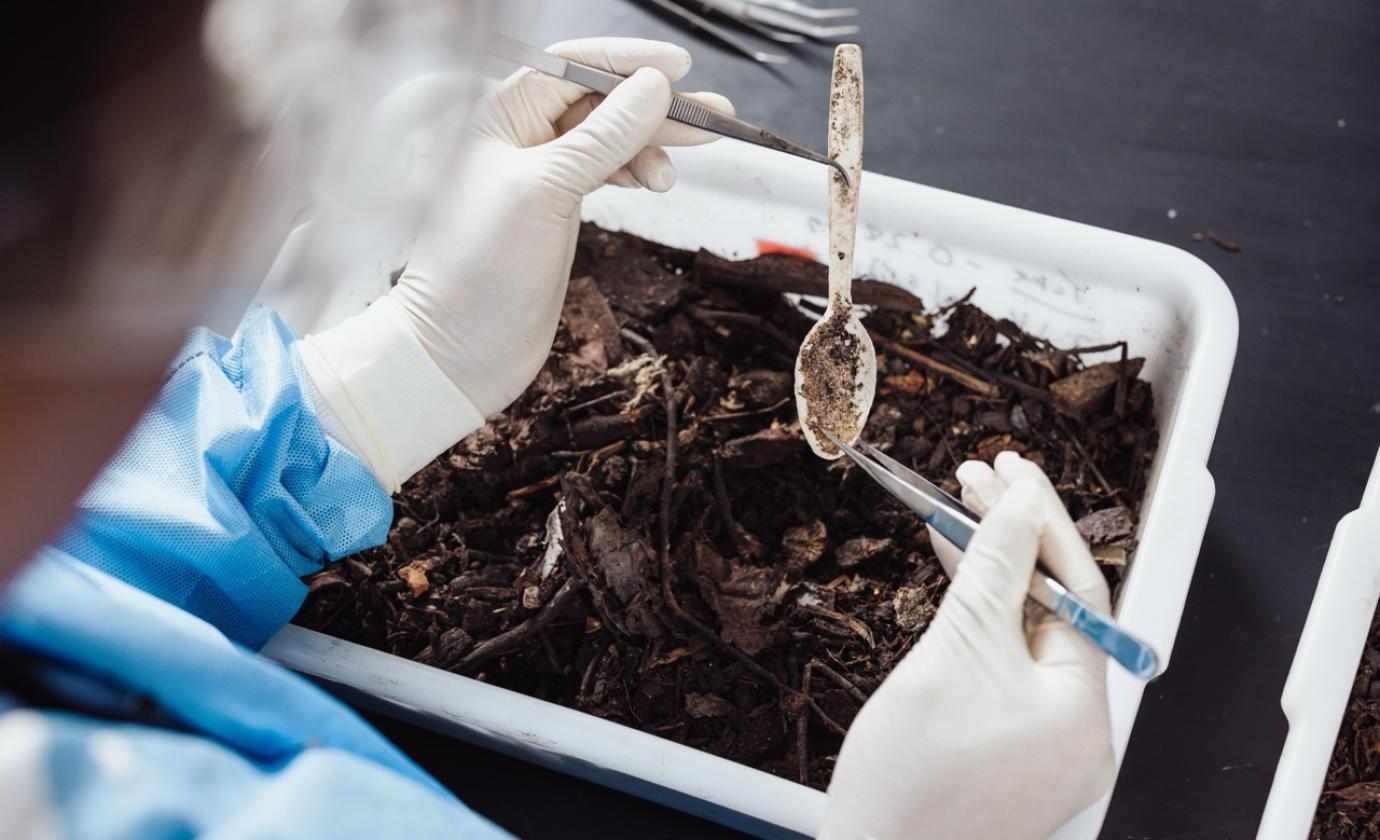
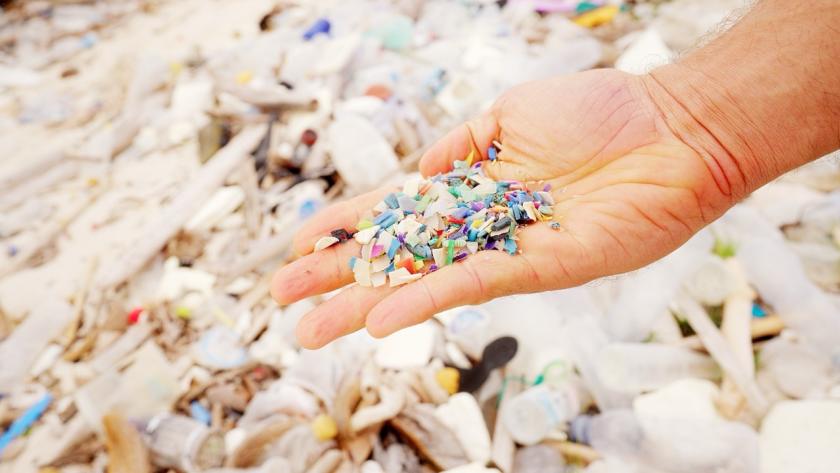
Increasingly, mounting scientific research is detecting the widespread presence of microplastics in our environment and exposing their concerning impacts on human health. These persistent synthetic particles, defined as less than 5 millimeters in size, have been detected in every environment on Earth and are now linked to serious health conditions, including heart disease and infertility. While research continues to evolve, there is legitimate concern about microplastics’ toxicity, chemical interactions, accumulation in tissues, and long-term environmental persistence.
In the natural world, materials follow predictable cycles of degradation. Over time, organic matter biodegrades into simpler compounds and ultimately returns to the environment as basic elements like water and carbon dioxide. Conventional petroleum-based plastics disrupt this natural order by fragmenting into persistent micro- and nanoplastics that have no ecological purpose yet remain as contaminants in our soil, water, and even living organisms.
Nature's Approach
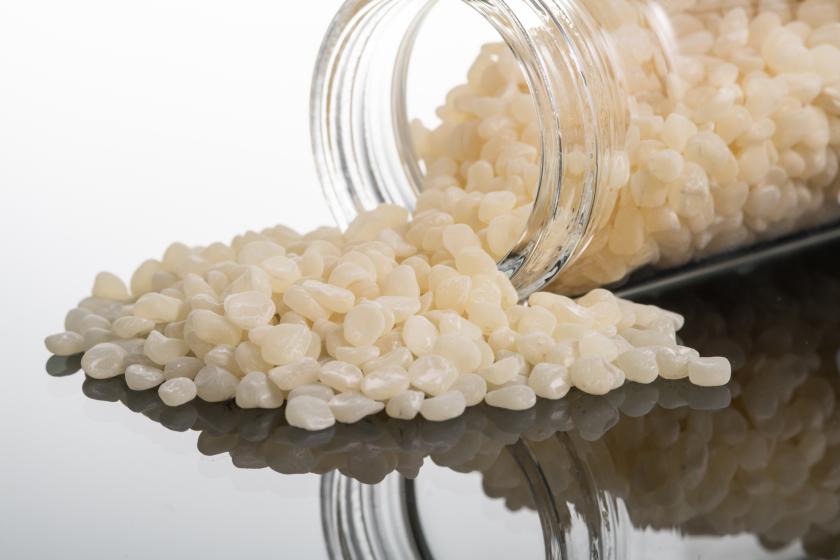
Polyhydroxyalkanoates (PHAS) offer a fundamentally different approach. These materials are not synthetic inventions but naturally occurring substances that have existed in nature for millions of years, similar to cellulose or starch. PHAs are produced by common microorganisms as part of their normal metabolism, serving as energy storage compounds.
What makes PHAs truly a sustainable solution is their complete biodegradability. The same microbes that produce PHAS recognize them as food when encountered in the environment. When bacteria come into contact with PHA-based products, they colonize the material and break it down completely for energy, converting it into water, carbon dioxide, and biomass. This process leaves no micro- or nanoparticles behind, offering a genuine solution to our growing microplastic crisis.
How It Works
A text-based version of the reference infographic, ready for browser rendering.
01
Plant-based feedstocks begin the cycle.
02
Sugars from plant-like feedstocks are fermented by microorganisms into PHA.
03
PHA is transformed into materials and products for real-world use.
04
In natural environments including marine, soil, home compost, and industrial compost, common microorganisms recognize PHA as a source of food or energy and colonize the surface to begin biodegradation.
05
The surface of any PHA fragments created during biodegradation or due to disintegration are continually colonized and biodegraded until no PHA remains.
06
As PHA is consumed by microorganisms, it is turned into biomass or used as energy to metabolize, leading to the mineralization of the polymer into CO2 or H2O.
Sustainability
By supporting the development and use of PHA-based materials, we can address the microplastic pollution problem at its source rather than focusing solely on downstream cleanup efforts that can never fully succeed once these persistent particles enter our environment.
All products require proper disposal regardless of their material composition. Littering is never acceptable, even for items proven to biodegrade in multiple environments. Products claiming biodegradability should never suggest that littering is an appropriate disposal method.
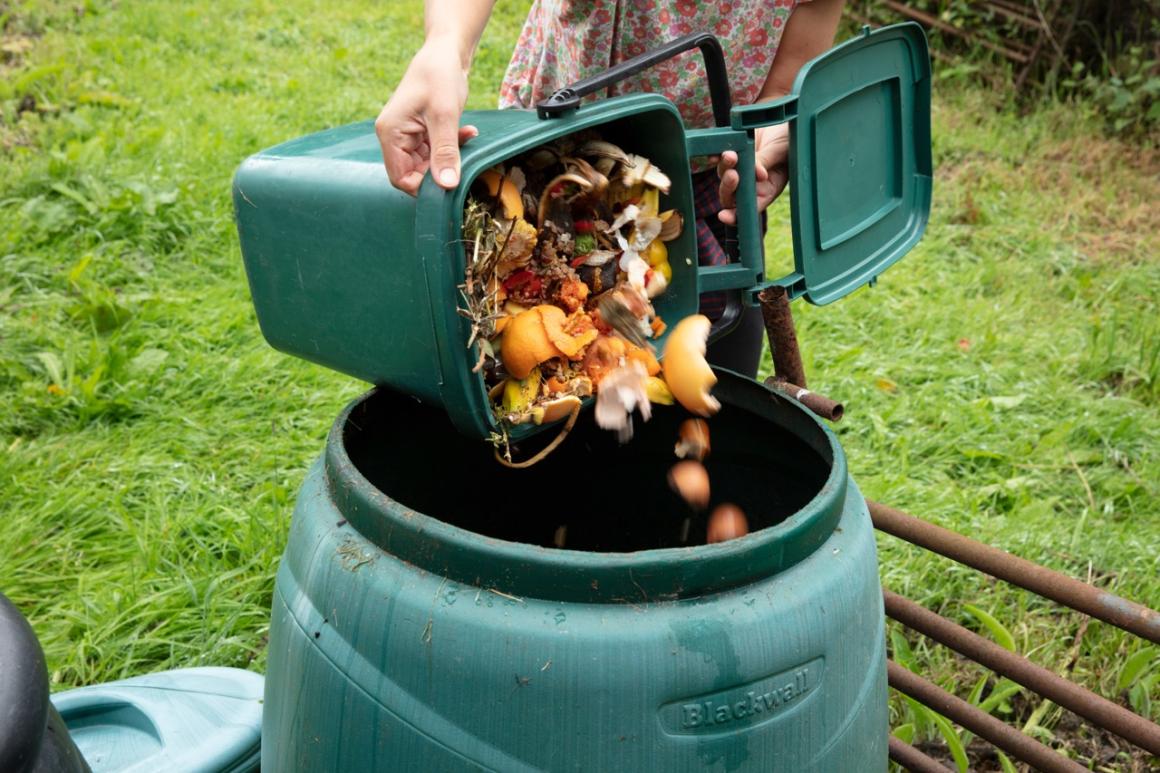
Instead, products made with PHA should be processed in composting or anaerobic digestion environments. PHA carries 3rd party certifications like OK compost HOME from TÜV Austria and Commercially Compostable from the Biodegradable Products Institute, confirming they fully compost in both home and industrial settings according to international standards.
The natural and broad biodegradability profile of PHA offers a “line of defense” against unavoidable leakage into the environment.
PHAs are widely recognized as non-toxic, biocompatible substances. PHAs meet standards for both food contact and medical applications in the US and EU regulatory frameworks. PHA polymers have been used for invivo applications such a sutures or tissue scaffolding for many years. as they safely biodegrade within the human body without adverse effects. Unlike synthetic plastics, if PHA microparticles are ingested by humans or animals, they pose minimal risk as they can be metabolized by the body’s natural processes or excreted without accumulation or toxicity.
Additionally, to obtain 3rd party certifications for compostability and biodegradability, PHA and products made with PHA must be free of PFAS and undergo ecotoxicity testing to ensure no detrimental impacts to plant or soil health from the materials.

How It Works
Sugarcane and other plants absorb CO₂ and convert it into sugars through photosynthesis.
Learn more
Sugarcane and other crops pull carbon dioxide from the air and, powered by sunlight, store it as fermentable sugars. These renewable plant feedstocks lock away atmospheric carbon and give PHA a bio-based starting point, no fossil resources required.

Inside controlled fermentation tanks, bacteria feed on the plant sugars and accumulate PHA within their cells as natural energy reserves, much like the body stores fat. The biopolymer is then harvested and purified into raw material.
PHA is used to create products designed for performance and sustainability.
Learn more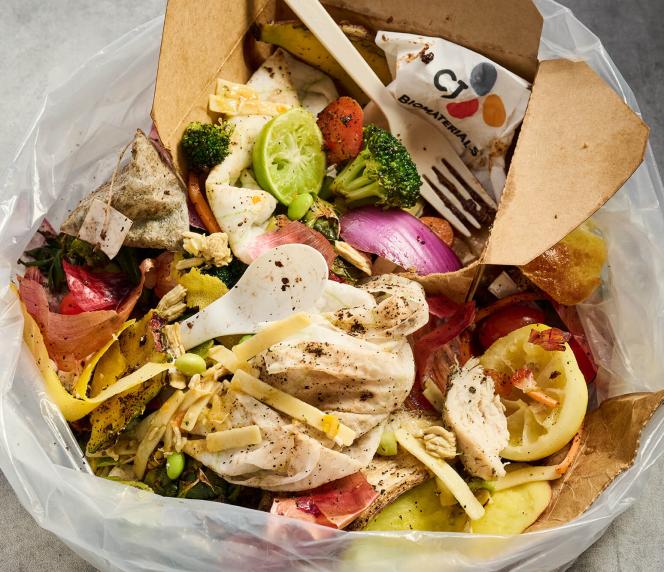
PHA is molded, extruded, and formed into films, packaging, fibers, and coatings that perform like conventional plastics in everyday use, yet are engineered from the start to return fully and safely to nature.
Microorganisms attach to the surface of the material and begin to colonize it.
Learn more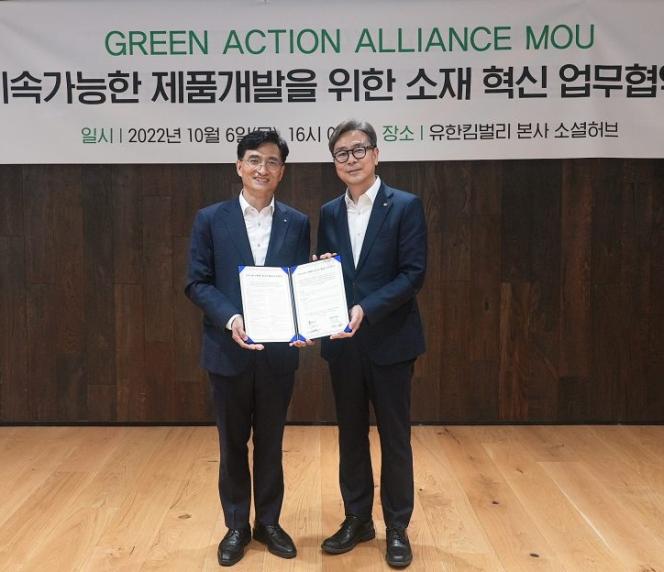
Once discarded in soil, water, or compost, naturally occurring microbes recognize PHA as food and form a living biofilm across its surface. This colonization is the first true stage of biodegradation.
The material breaks down further as microorganisms degrade it into smaller fragments.
Learn more
Enzymes secreted by the microbes cleave the polymer chains, breaking the material into progressively smaller fragments. Environmental factors, water, oxygen, temperature and sunlight, accelerate the disintegration.
The material — including microplastics — is mineralized into CO₂, water, and biomass through microbial metabolism, returning to the environment.
Learn more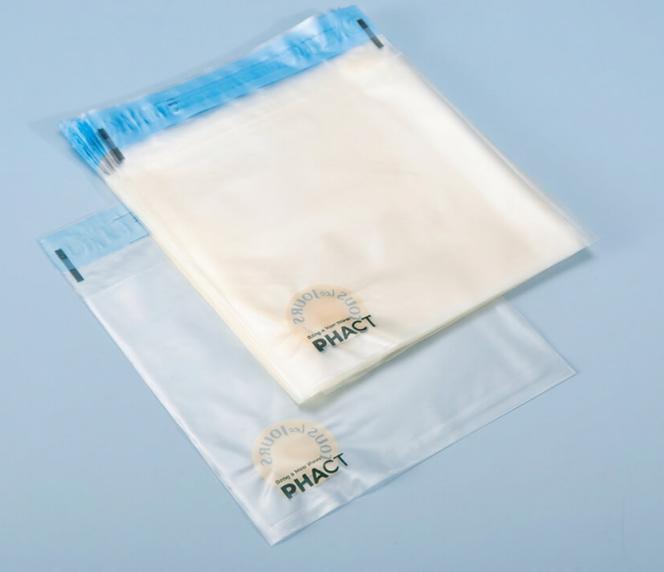
In the final stage microbes fully metabolize the fragments, even microplastics, into carbon dioxide, water, and biomass, leaving no persistent residue. The released CO₂ feeds new plant growth, closing the loop back to the start.
Mineralizing microplastics