PHACT PHA and compostable products
Neat PHA is a unique biomolecule that has existed for millennia that Earth’s biome readily recognizes and knows how to metabolize. Either as a neat solution or a compounded solution with other compostable polymers, products made with PHACT PHA present one of the best options to achieve industrial and home compostability certifications for your application.
Learn More
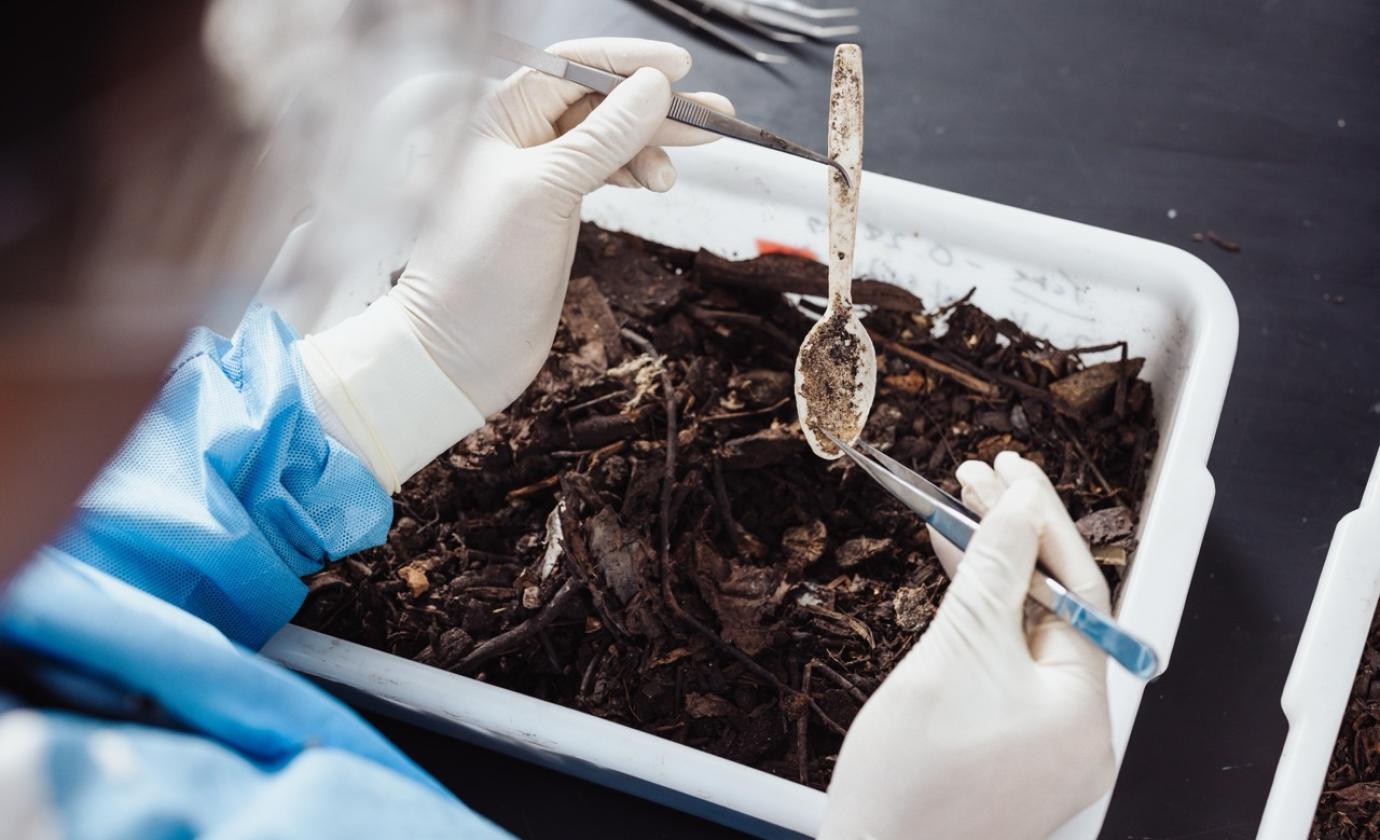
 COMPOSTABLE PLASTICS
Why choose a compostable end-of-life over recycling?
Many plastic products often cannot be recycled due to organics contamination, multi-material structures, and/or product size requirements that recycling infrastructure cannot support. In these instances, compostable plastics like PHA provide an elegant solution to provide a sustainable end-of-life with no persistent microplastics and higher diversion of food waste to compost for greater sustainability and circularity of precious bio-nutrients.
FOOD WASTE DIVERSION
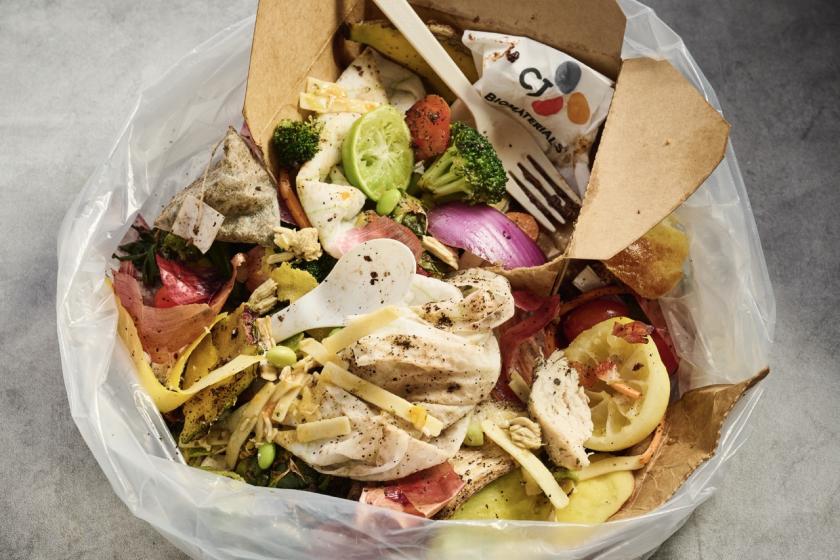
PHA-based packaging helps food waste get to compost
With traditional petrochemical plastics (like PET or PP), food contamination is a massive problem. If a standard plastic food container, wrapper, or cup has food residue or grease on it, recycling facilities will reject it. Because consumers often do not thoroughly wash their containers, both the plastic packaging and the attached food waste end up being thrown into the standard trash, destined for a landfill.
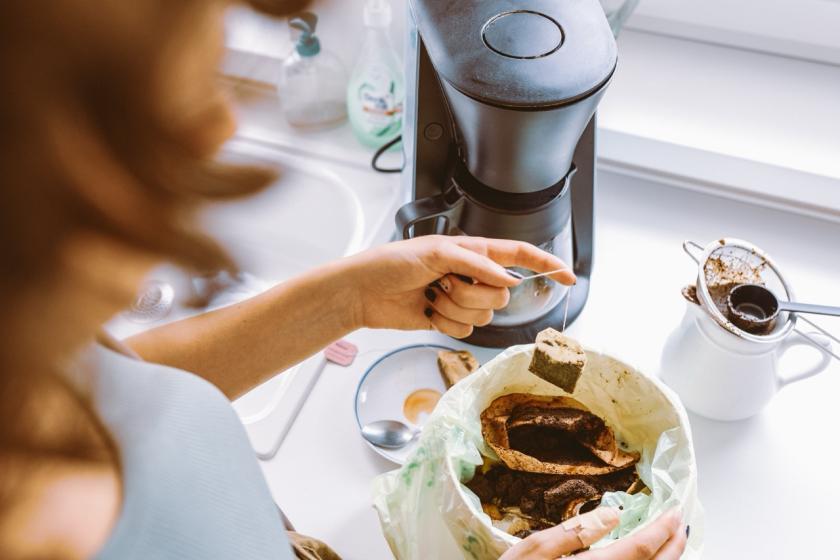
Because PHA (like CJ Biomaterials' PHACT™) is certified industrially and home compostable, it completely eliminates the need to separate food waste from the packaging. Consumers can throw the half-eaten sandwich, the leftover salad, and the PHA packaging holding it directly into the same organic waste bin. This frictionless, "one-bin" disposal greatly increases the likelihood that consumers will actually participate in composting programs.
When food waste is trapped inside traditional plastic bags or containers and sent to a landfill, it decomposes anaerobically (without oxygen). This process generates methane, a greenhouse gas that is significantly more potent than carbon dioxide. By using PHA packaging to carry that food waste to a compost facility instead, the waste decomposes aerobically (with oxygen), which drastically reduces methane emissions.
In a commercial compost pile, microorganisms need a healthy balance of nitrogen (green matter, like food scraps) and carbon (brown matter, like wood chips, leaves, and compostable packaging) to thrive. PHA-based packaging acts as an excellent carbon source. As the microbes break down the PHA and the food waste together, they convert both into nutrient-rich humus (compost).
By offering PHACT™ in applications like flexible food wrappers, rigid deli containers, and coffee cups, you are providing food brands with a solution that doesn't just reduce plastic pollution—it actively helps municipalities capture more organic waste to regenerate local soils.
Product Highlights
Sustainable, High-Performance Cutlery
PHACT materials are designed to deliver performance, processability, and compostability – enabling real-world applications at scale.
Biobased Certifications
Biobased Product by DinCertco
Biopreferred by USDA
Compostability Certifications
OK Compost Industrial
OK Compost Home
OK Biodegradable Soil
OK Biodegradable Marine
Commercially Compostable BPI
Home Compostable BPI
Industrial Compostable by DinCertco
Marine Biodegradable Pla JBPA
EL724