PHA begins with biobased, renewable feedstocks
 OUR VISION FOR SUSTAINABLE FEEDSTOCKS
PHA-producing microorganisms can utilize a variety of natural, plant-based feedstocks.
Polyhydroxyalkonates (PHAs) can be produced from a variety of bio-precursors. Oils and starches from a wide range of plant-based sources are easily metabolized and converted to PHA. Our PHACT™ PHA fermentation platform is designed for feedstock versatility, allowing us to utilize the most abundant and sustainably produced sources of biogenic carbon to lower both costs and environmental impact.
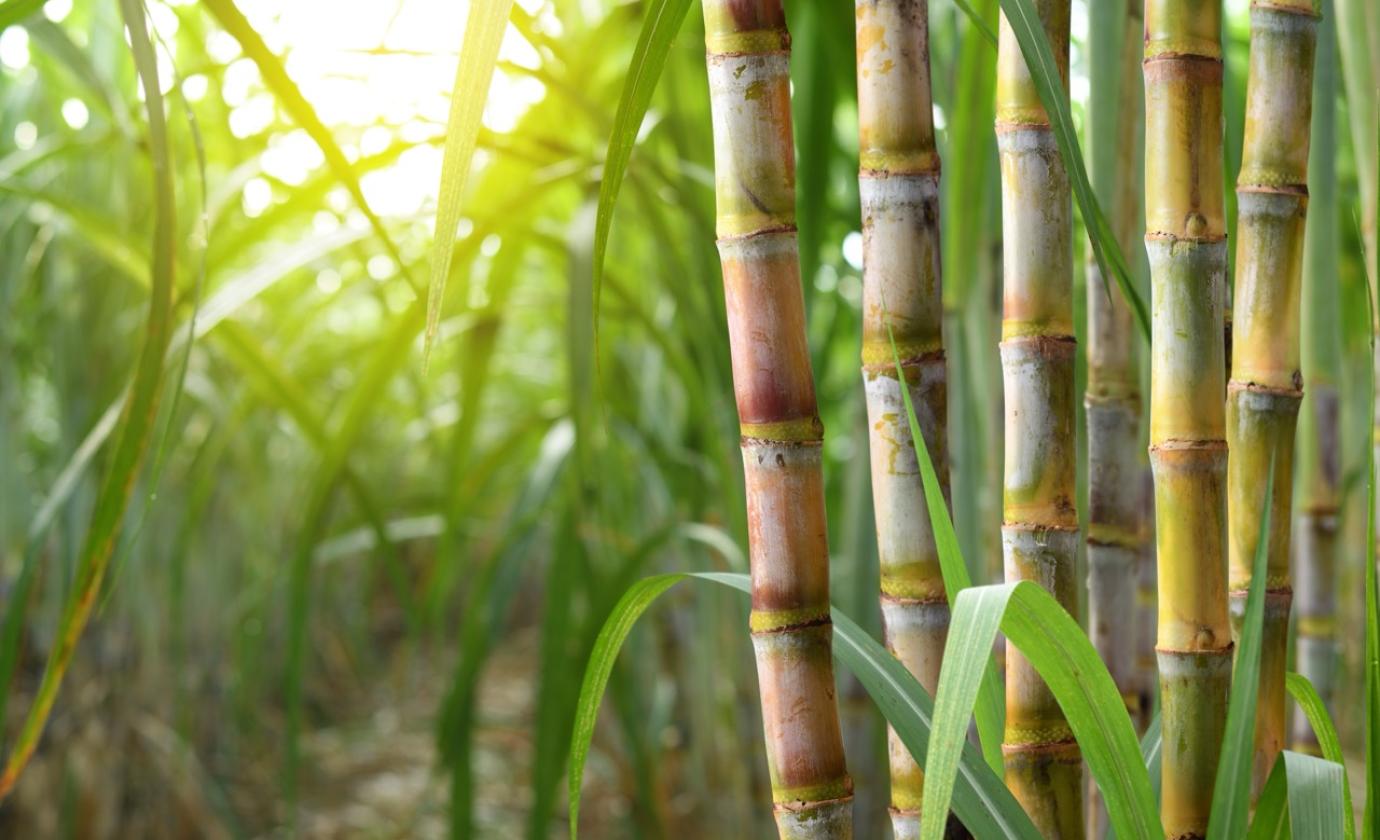
Sugar Cane (Sucrose)
Currently, PHACT PHA utilizes sucrose from local sugar cane for its production. Sugar cane is natural, abundant, and produces high yields of sucrose for sustainable farming.
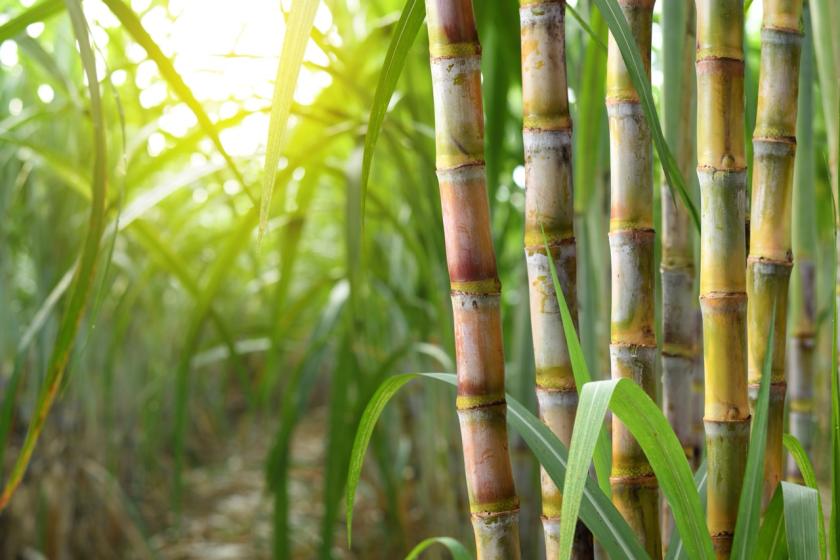
Field Corn (Dextrose)
In areas where field corn is more abundant, dextrose can be utilized as a PHA production feedstock. Field corn or dent corn makes up about 99% of corn production globally and is not consumed by humans. In geographies like North America it is an ideal and sustainable feedstock for large scale bioplastic production.
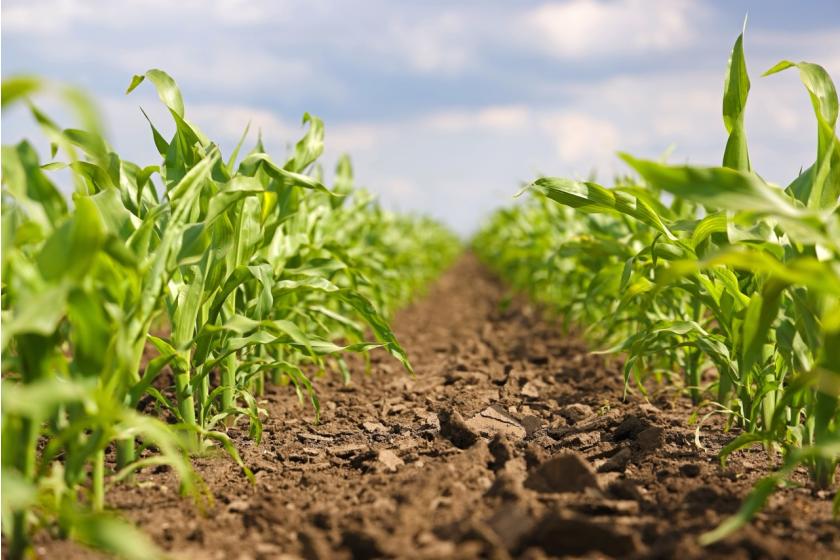
Canola Oil
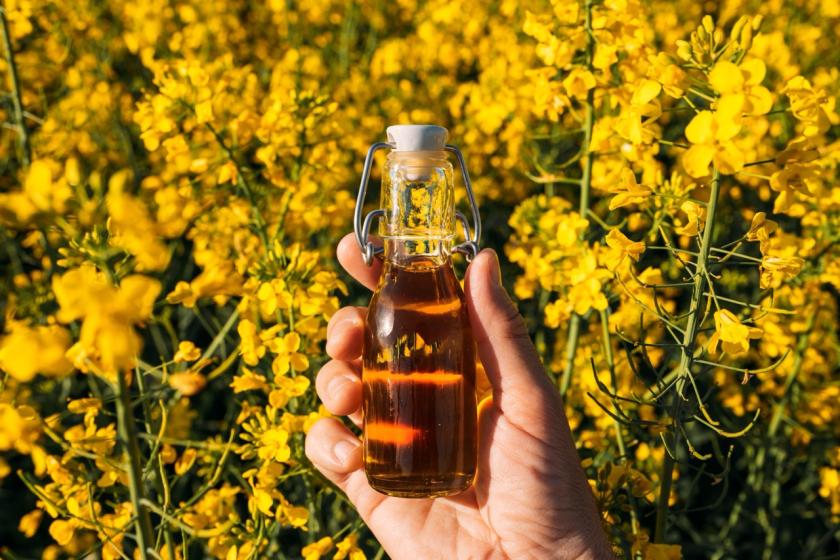
PHA can be produced from organic oils rather than starches. In areas where canola is prevalent, canola oil is an energy dense precursor that microorganisms can metabolize and produce higher equivalents of PHA biopolymer per gram.
Sustainable Feedstocks
Our PHA-producing microorganisms can utilize a variety of natural, plant-based feedstocks.
Polyhydroxyalkonates (PHAs) can be produced from a variety of bio-precursors. Oils and starches from a wide range of plant-based sources are easily metabolized and converted to PHA. Our PHACT™ PHA fermentation platform is designed for feedstock versatility, allowing us to utilize the most abundant and sustainably produced sources of biogenic carbon to lower both costs and environmental impact.
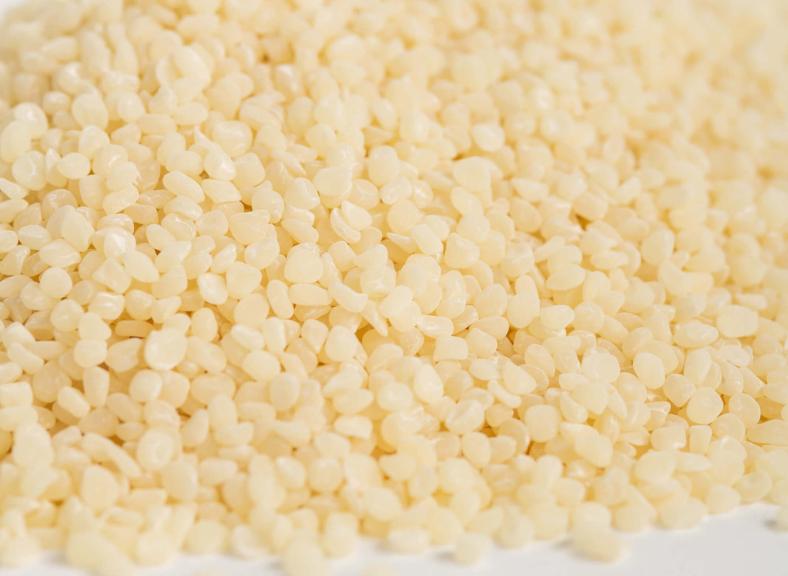
PHA Neat Resins
We manufacture and sell both semi-crystalline PHA and our proprietary amorphous PHA as PHACT™ PHA neat resins that can be used to develop functional and sustainable plastics and fibers applications. Our ability to modify the P3HB and P4HB ratios of co-monomers underscores our ability to tailor neat PHAs for a range of mechanical properties.
Masterbatches
Our masterbatches combine PHACT™ amorphous PHA with biopolymers like PLA to provide an easy handling solution for incorporating aPHA at levels tailored for specific plastics and nonwoven applications.
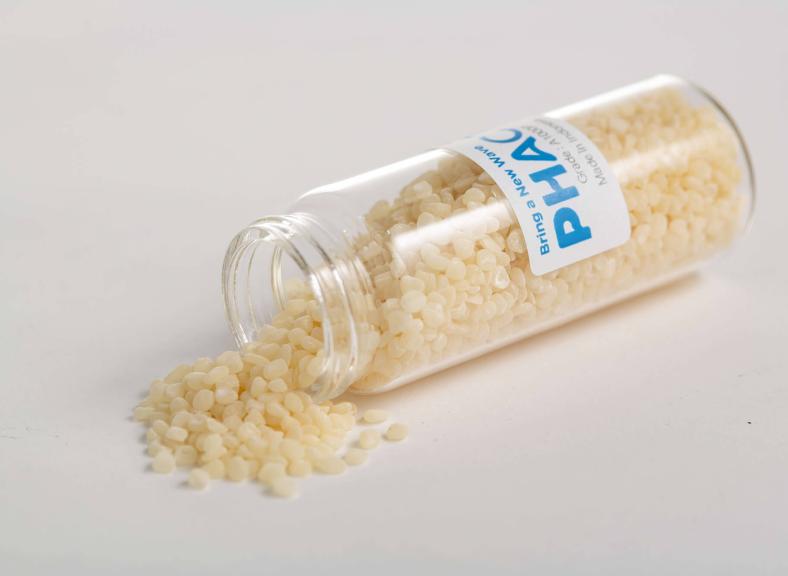
Compounds
Our PHACT™ PHA compounds are designed for sustainability and functionality in applications from compostable food serviceware and paper coatings to biobased nonwovens.