Films
CA1240PF, CA1270P, CA1270P_B1
- High tensile strength, flexibility, and softness
- Ideal for blown and cast film applications
- Enhanced industrial compostability
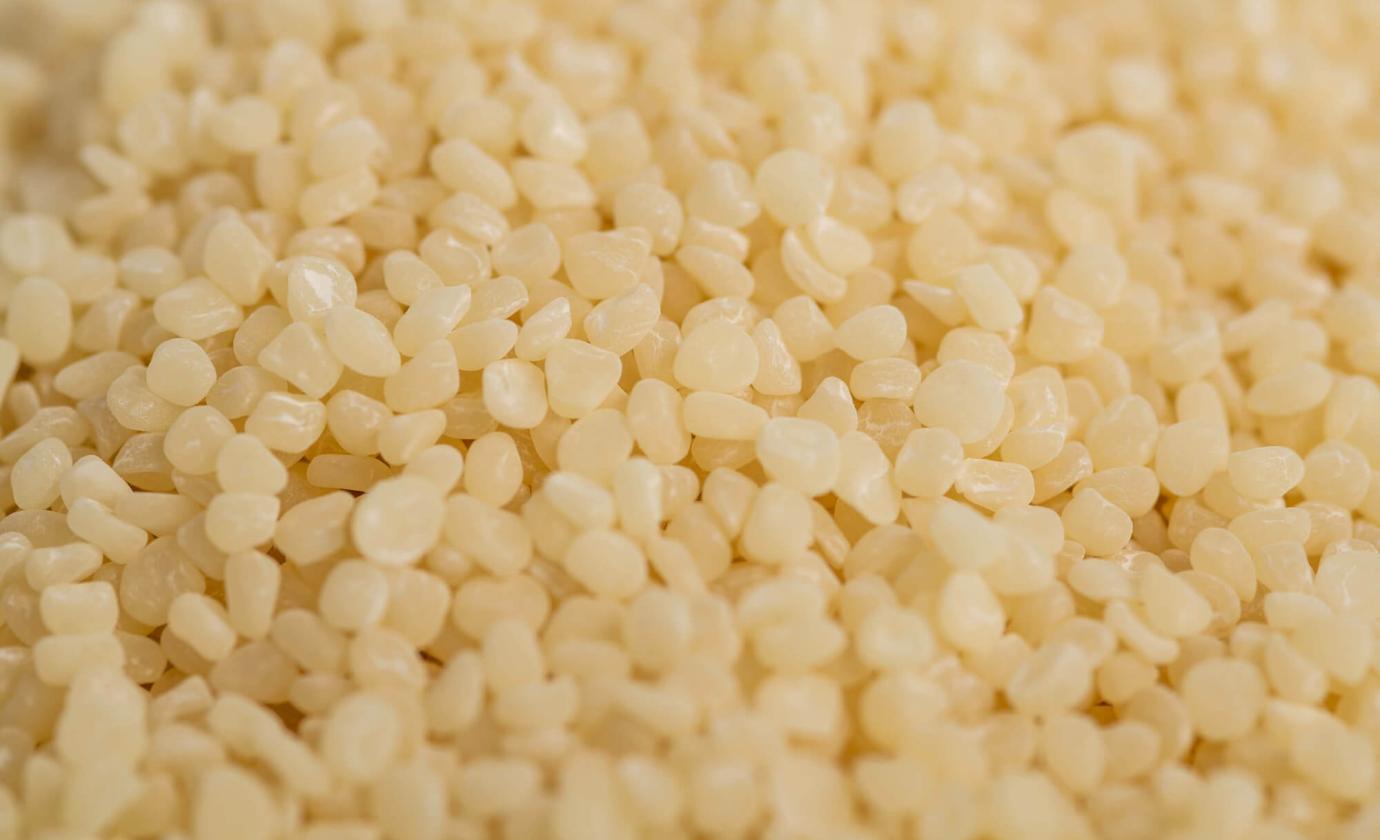
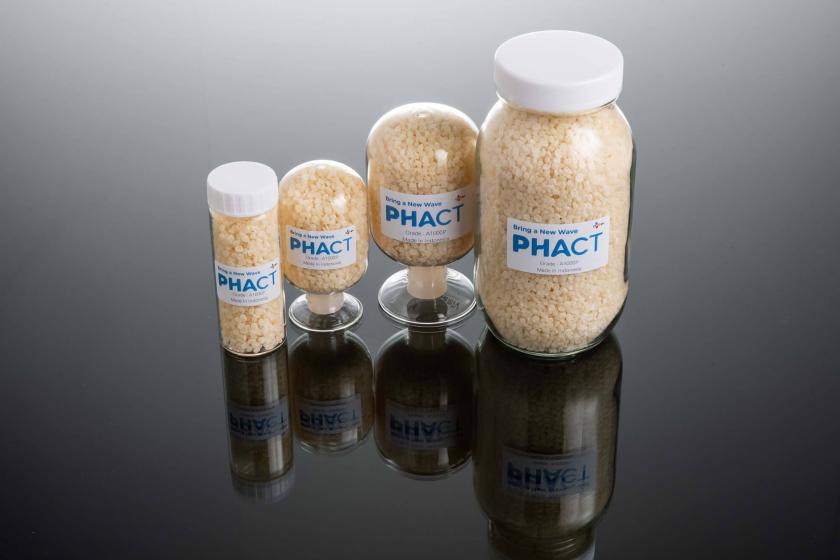
 Compound Portfolio
We at CJ Biomaterials offer many different compounds that are ready to use in your next application.
Product Highlights
PHACT™ PHA compounds are designed to deliver performance, processability, and compostability, enabling real-world applications at scale.
Films
Injection Molding
Profile Extrusion
Rigid Thermoforming
Extrusion Coating
Fibers & Nonwovens
Technical Information
Compare the PHACT™ grades side by side. Filter by product to see what each grade is engineered for.
| Compounds | ||||||||||||||||||
|---|---|---|---|---|---|---|---|---|---|---|---|---|---|---|---|---|---|---|
| CA1240PF | CA1270P | CA1270_B1 | CA1165A | CB0104A | CA1180P-N10 | CA8180NP-N10 | CA8470P_S2 | CB0410A | CB0400A | CA1680P | CA1690P | CB0504A | CA8570P | CA8770P | CA8790P | CA8370P | ||
| Ideal Applications | Films | |||||||||||||||||
| Injection Molding | ||||||||||||||||||
| Profile Extrusion | ||||||||||||||||||
| Rigid Thermoforming | ||||||||||||||||||
| Extrusion Coating | ||||||||||||||||||
| Fibers/Nonwovens | ||||||||||||||||||
| Certifications | Industrial Compostability | |||||||||||||||||
| Home Compostability | ||||||||||||||||||
| Soil Degradability | ||||||||||||||||||
| Marine Degradability | ||||||||||||||||||
| Regional Availability | Americas | |||||||||||||||||
| EMEA | ||||||||||||||||||
| APAC | ||||||||||||||||||
| South Korea | ||||||||||||||||||
| Japan | ||||||||||||||||||
| China | ||||||||||||||||||
Gallery
From raw resin pellets to real-world applications, explore how PHACT™ PHA enables scalable, compostable solutions across industries.

See PHACT™ PHA in Action
PHACT™ PHA can be used in a variety of applications!


Sustainability
Designed to meet real-world application needs, from material performance to technical guidance and end-of-life solutions.
The circular economy is a sustainable approach that aims to keep materials in use for as long as possible by reducing waste, reusing resources, and recycling products at the end of their life. This means designing materials that are made from renewable biological resources and can be reused, recycled, composted, or biodegraded in appropriate systems. Bioplastics in a circular economy are intended to minimize environmental impact, reduce dependence on fossil fuels, and return valuable materials or nutrients back into the production cycle whenever possible.
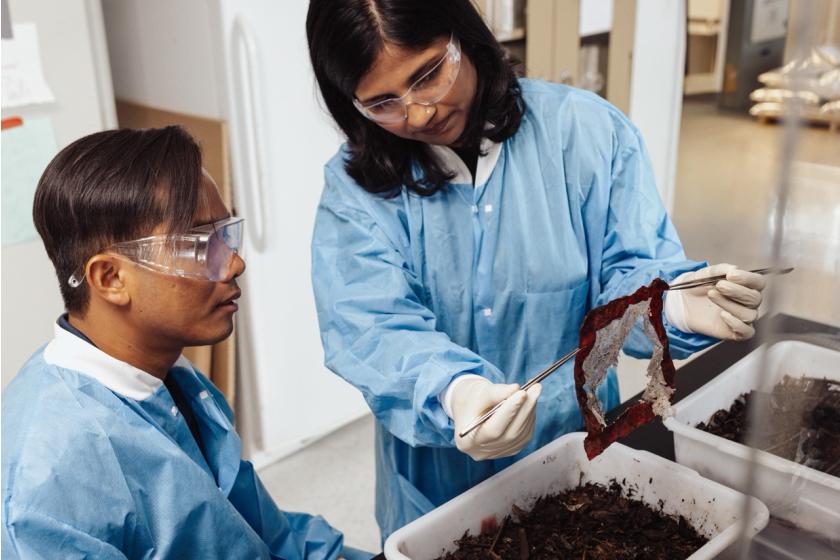
Sugarcane is one of the most widely used renewable feedstocks for the production of polyhydroxyalkanoates (PHAs), a family of biodegradable bioplastics produced by microorganisms. During the production process, sugars extracted from sugarcane are fermented by bacteria, which convert the carbon-rich substrate into PHA as an intracellular energy storage material. Because sugarcane is a fast-growing, renewable crop with high sugar content, it provides an efficient and sustainable carbon source for microbial fermentation. Using sugarcane as a feedstock can reduce reliance on petroleum-based raw materials while supporting the production of biodegradable plastics with a lower environmental footprint.We are with you every step of the way to help you get the best experience with our PHACT™ PHA products. We have technical experts on staff who have years of experience working with PHA and adaption it into new and existing products.

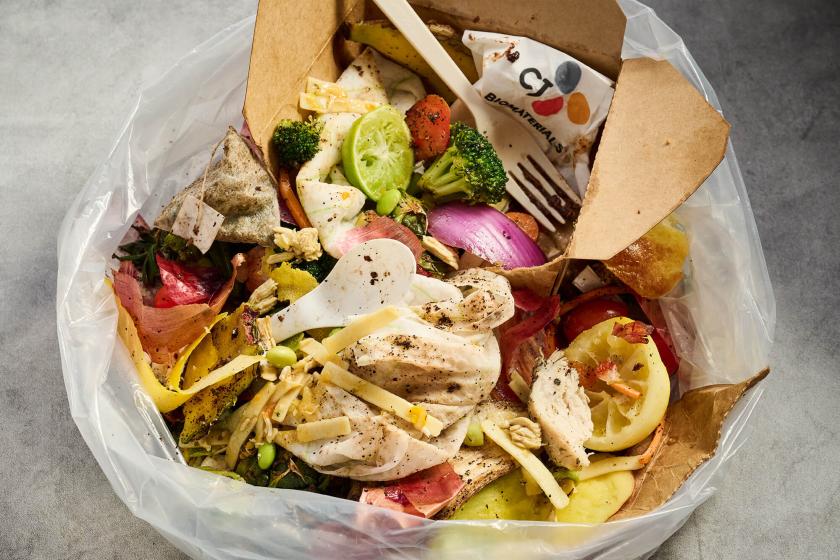
As biodegradable and, in many cases, compostable bioplastics, PHAs can be broken down by naturally occurring microorganisms into carbon dioxide, water, and biomass under appropriate conditions. Unlike many other compostable bioplastics that require industrial composting facilities, PHAs have demonstrated the ability to biodegrade in a wider range of environments, including industrial and home compost, soil, freshwater, and marine ecosystems. However, the rate of degradation depends on factors such as temperature, moisture, microbial activity, and the specific PHA formulation. While PHAs offer improved end-of-life options compared with conventional plastics, proper waste management and composting infrastructure remain important to maximize their environmental and circular economy benefits.
Resources
We are happy to provide support for whatever application you may be working on.
FAQs
Find answers to common questions about PHA materials, applications, performance, and sustainability.
Explore PHA for Your Applications
Our technical team can help evaluate materials, performance requirements, and sustainability targets for your product.
Our MOQ is 25 kgs of materials. These 25 kg volume orders are packaged in sealed foil-lined bags. For larger orders, materials will be packaged in 544 kg gaylord boxes.
Lead times are variable depending on the grade of interest. For non-recurring, unforecasted orders, neat resin lead times can be around 2 to 4 weeks and compounded or masterbatch grades are around 6 to 8 weeks.
Pellets come as either spheres or cylinders between 2 - 4 mm in diameter and length.
PHA is a naturally occuring class of bioplastic that is already present in many exisiting biological metabolic processes. As such, PHACT™ neat PHA resins such as amorphous PHA (A1000P) and semi-crystalline PHA (S1000P) maintain industrial compostable (link), home compostable (link), marine degradability (link), and soil degradabiity (link) certifications. PHACT™ compounds and masterbatches are blends and certifications will vary based on their specific formulation. To understand which conditions each grade is certified and tested to compost or biodegrade please check our certification fact webpage.
In the normal process of disintegration, all plastics eventually pass through the size classification that is considered a "microplastic". However, compostable and/or biodegradable materials such as PHACT™ PHA continue to degrade until their entire composition is fully converted to H2O and CO2. Hence, no environmental microplastics persist in a meaningful timeframe with PHACT™ PHA.
