Driving the Circular Economy with Advanced PHA Solutions
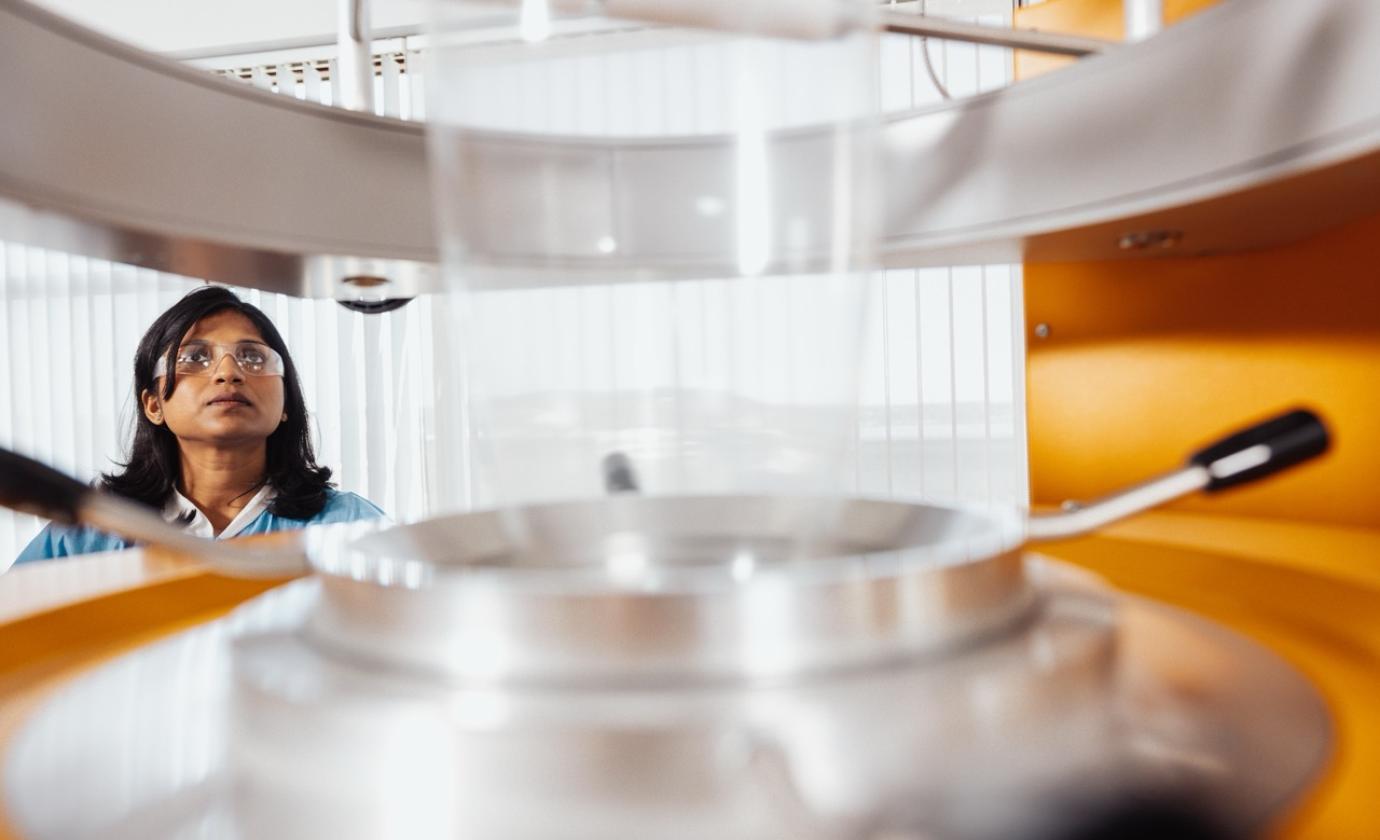
 PHACT™ PHAs
How do PHACT™ PHAs support a circular economy?
PHACT™ PHA strongly supports the circular economy by shifting the lifecycle of plastics from a traditional "take-make-dispose" linear model to a closed-loop system. The circular economy is based on eliminating waste and pollution, circulating products and materials, and regenerating nature.
Renewable Feedstocks
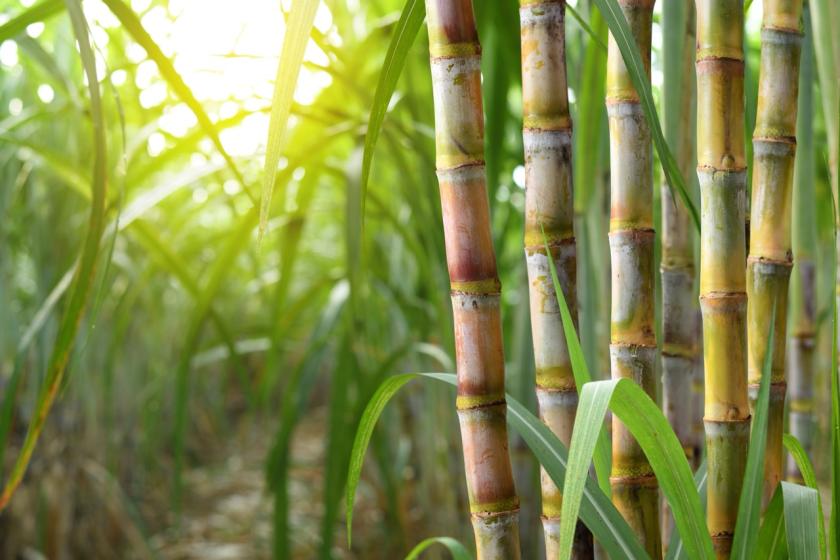
The production of PHACT™ starts with renewable resources. Rather than extracting fossil fuels, CJ Biomaterials uses biogenic carbon sources—such as natural plant sugars and plant oils—to feed the microorganisms that produce the PHA.
This means the carbon footprint at the beginning of the product's life cycle is significantly lower, relying on agriculture and nature rather than petrochemicals.
Universal Biodegradability
One of the core tenets of a circular economy is returning nutrients to the earth without leaving harmful pollution behind. PHACT™ is third-party certified to naturally biodegrade across multiple environments:
Compostable: It breaks down in both commercial and home composting setups.
Soil and Marine Safe: If PHACT™ accidentally ends up in the natural environment, it degrades in soil and marine environments, leaving no persistent microplastics behind.
Advancing Zero Waste Initiatives
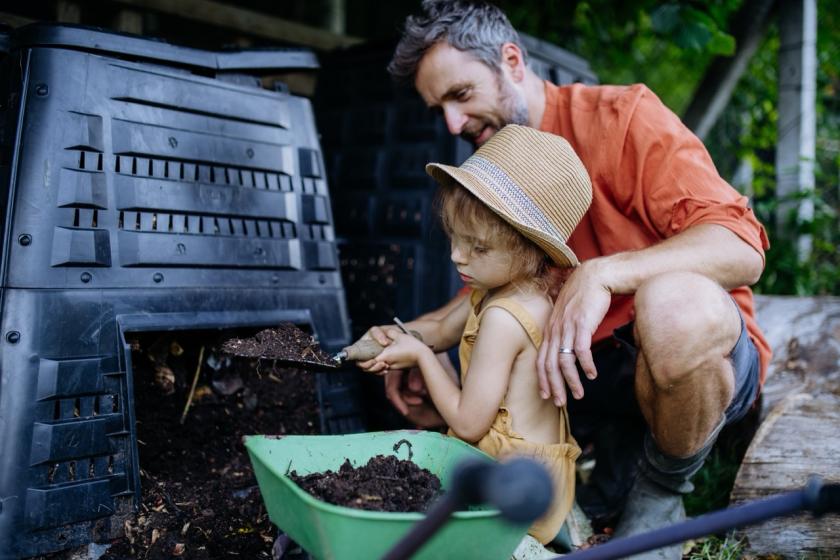
Because it is fully compostable, PHACT™ allows for true zero-waste food service and packaging solutions.
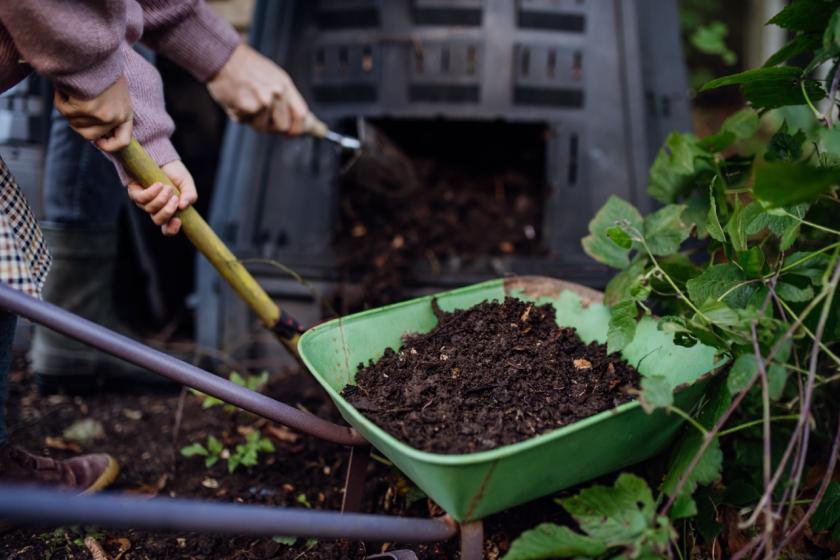
After use, these items can be sent directly to composting facilities alongside food scraps, turning waste back into nutrient-rich soil instead of sending it to a landfill.
Improving the Recyclability of Other Materials
In many industries, paper products (like cardboard boxes or paper cups) are coated with traditional petrochemical plastics (like PE) to make them water-resistant. This makes the paper very difficult to recycle or compost. By replacing traditional plastic coatings with PHACT™ PHA coatings, the entire paper product maintains its compostability, keeping those materials in the circular economy rather than diverting them to waste streams.