Amorphous PHA
PHACT™ A1000P
- Can be used as a modifier to help achieve faster rates of composting
- Soft and rubbery, can be used as an impact modifier
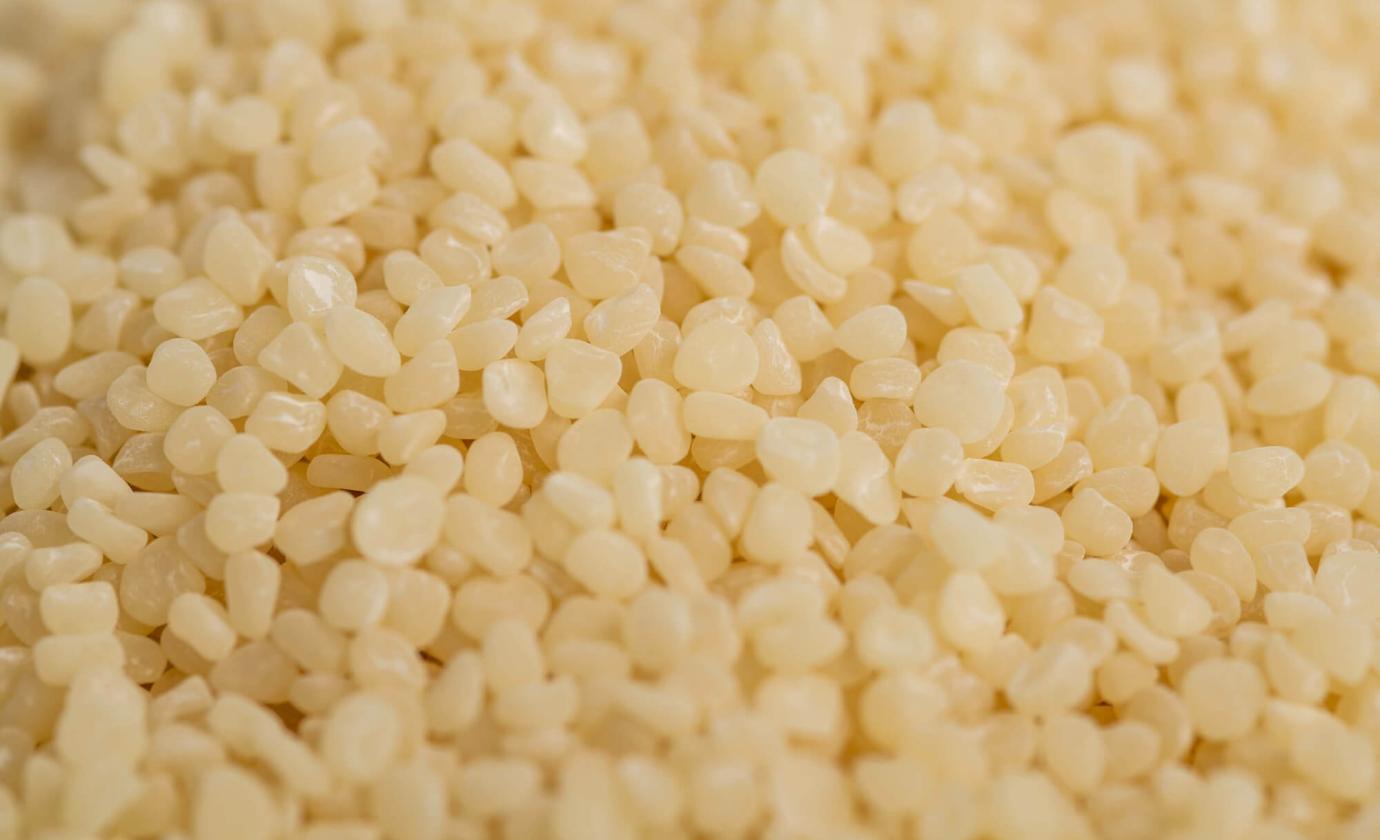
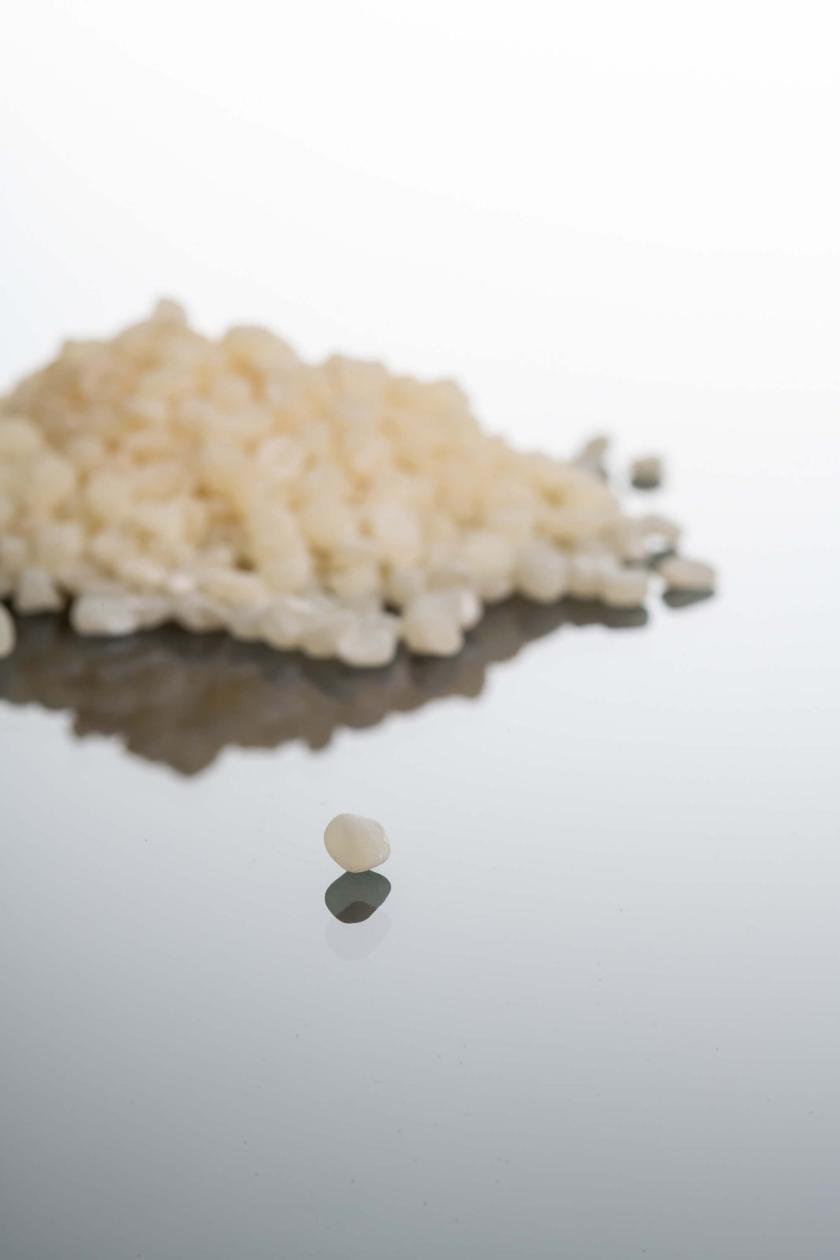
 Neat Resin Portfolio
We at CJ Biomaterials offer two different neat resin solutions for you to use in a variety of different products. We have PHACT™ A1000P which is our amorphous PHA that can be used as an impact modifier. We also have PHACT™ S1000P which is our semi-crystalline PHA that can be used in…
Product Highlights
PHACT™ materials are designed to deliver performance, processability, and compostability, enabling real-world applications at scale.
Amorphous PHA
Semi-Crystalline PHA
Shared Certifications
Technical Information
Compare both PHACT™ grades side by side. Filter by product to see what each grade is engineered for.
| Neat Resins | |||
|---|---|---|---|
| Property | Units | A1000P | S1000P |
| Form | - | Pellet | Pellet |
| Specific Gravity | g/cc | 1.23 | 1.23 |
| Hardness-Max | Shore D | <80 a | <90 |
| Elongation at Break | % | <500 | <60 |
| Tensile at Break | Mpa | <2.2 | - |
| Ultimate Tensile Strength | MPa | - | 30 - 35 |
| IZOD Impact Strength (notched) | J/M | - | <28 |
| Flexural Strength | Mpa | - | 60 - 70 |
| Flexural Modulus | MPa | - | <2000 |
| Melt Temperature | °C | - | 150 - 170 |
| Heat Deflection Temp | °C | - | <130 |
| Glass Transition Temp | °C | -17 ~ -14 | -6 - 0 |
| Melt Flow Rate (180 C, 2.16 kg) | g/10 min | <5 b | <4 |
| Haze | % | <8.9 | - |
| Transmittance | % | <93 | - |
| Biobased Carbon Content | % | 100.0 | 100.0 |
(a) utilizes Shore A scale
(b) 165 °C, 5 kg
| Neat Resins | |||
|---|---|---|---|
| A1000P | S1000P | ||
| Ideal Applications | Films | ||
| Injection Molding | |||
| Profile Extrusion | |||
| Rigid Thermoforming | |||
| Extrusion Coating | |||
| Fibers/Nonwovens | |||
| Certifications | Industrial Compostability | ||
| Home Compostability | |||
| Soil Degradability | |||
| Marine Degradability | |||
| Regional Availability | Americas | ||
| EMEA | |||
| APAC | |||
| South Korea | |||
| Japan | |||
| China | |||
Gallery
From raw resin pellets to real-world applications, explore how PHACT™ PHA enables scalable, compostable solutions across industries.

See PHACT™ PHA in Action
PHACT™ PHA can be used in a variety of applications!


Sustainability
Designed to meet real-world application needs, from material performance to technical guidance and end-of-life solutions.
The circular economy is a sustainable approach that aims to keep materials in use for as long as possible by reducing waste, reusing resources, and recycling products at the end of their life. This means designing materials that are made from renewable biological resources and can be reused, recycled, composted, or biodegraded in appropriate systems. Bioplastics in a circular economy are intended to minimize environmental impact, reduce dependence on fossil fuels, and return valuable materials or nutrients back into the production cycle whenever possible.
Sugarcane is one of the most widely used renewable feedstocks for the production of polyhydroxyalkanoates (PHAs), a family of biodegradable bioplastics produced by microorganisms. During the production process, sugars extracted from sugarcane are fermented by bacteria, which convert the carbon-rich substrate into PHA as an intracellular energy storage material. Because sugarcane is a fast-growing, renewable crop with high sugar content, it provides an efficient and sustainable carbon source for microbial fermentation. Using sugarcane as a feedstock can reduce reliance on petroleum-based raw materials while supporting the production of biodegradable plastics with a lower environmental footprint.

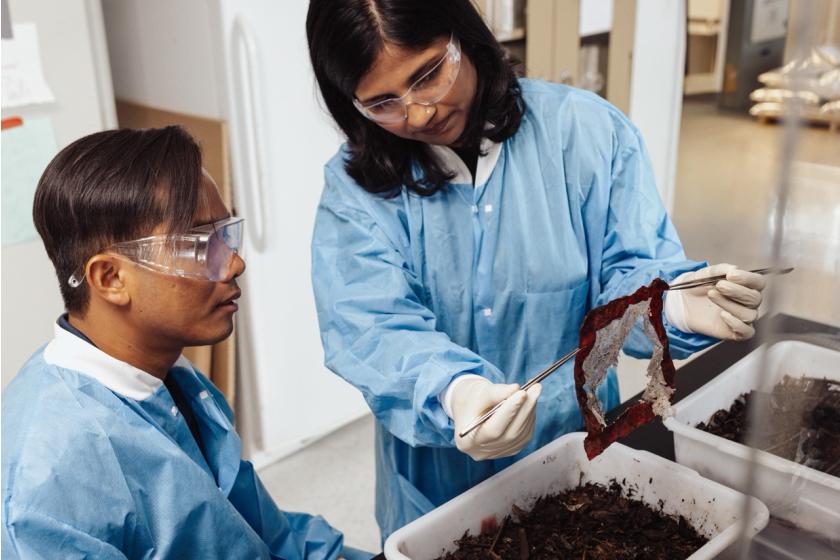
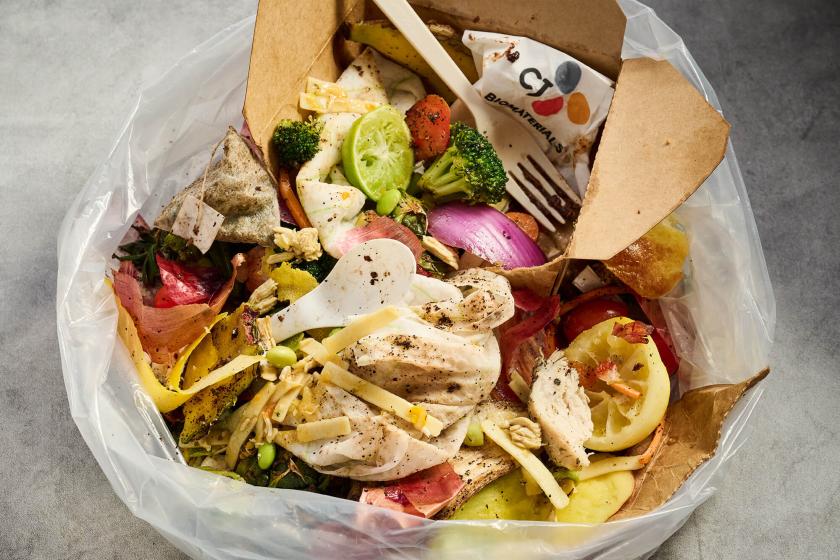
As biodegradable and, in many cases, compostable bioplastics, PHAs can be broken down by naturally occurring microorganisms into carbon dioxide, water, and biomass under appropriate conditions. Unlike many other compostable bioplastics that require industrial composting facilities, PHAs have demonstrated the ability to biodegrade in a wider range of environments, including industrial and home compost, soil, freshwater, and marine ecosystems. However, the rate of degradation depends on factors such as temperature, moisture, microbial activity, and the specific PHA formulation. While PHAs offer improved end-of-life options compared with conventional plastics, proper waste management and composting infrastructure remain important to maximize their environmental and circular economy benefits.
Performance Data
Comparative performance data for PHACT™ A1000P and S1000P across key application parameters.
Resources
Supporting documentation that helps engineers and procurement teams evaluate the product.
PHACT™ PHA is a safe, low-carbon biomaterial designed to replace persistent fossil-based plastics in everyday products.
FAQs
Find answers to common questions about PHA materials, applications, performance, and sustainability.
Explore PHACT™ PHA for Your Applications
Our technical team can help evaluate materials, performance requirements, and sustainability targets for your application.
PHACT™ Neat Resins are advanced, bio-based polyhydroxyalkanoate (PHA) materials engineered by CJ Biomaterials. They are designed to deliver high performance, processability, and compostability for scalable product development across industries like packaging and consumer goods. Our portfolio currently features two distinct neat resins: PHACT™ A1000P and PHACT™ S1000P.
PHACT™ A1000P is an amorphous PHA. It is naturally soft and rubbery, making it an excellent impact modifier when blended with other materials. Additionally, it can be used as a modifier to help achieve faster rates of composting in final product applications.
PHACT™ S1000P is a semi-crystalline PHA. It boasts high thermal stability, making it well-suited for processing and end-use applications that require elevated temperatures. It also features anti-hydrolysis properties, which make it ideal for moisture-resistant and barrier applications.
A circular economy aims to minimize environmental impact and keep materials in use for as long as possible. By utilizing renewable biological resources instead of fossil fuels, PHACT™ neat resins are designed with sustainable end-of-life options in mind. They can be broken down by naturally occurring microorganisms into carbon dioxide, water, and biomass in various environments (including industrial compost, home compost, soil, and marine ecosystems), returning valuable nutrients back into the cycle.
CJ Biomaterials offers comprehensive technical support for your application needs. We provide full access to Safety Data Sheets (SDS) and Technical Data Sheets (TDS) for both the A1000P and S1000P grades to assist with material evaluation and real-world processing.
