End-of-Life Options
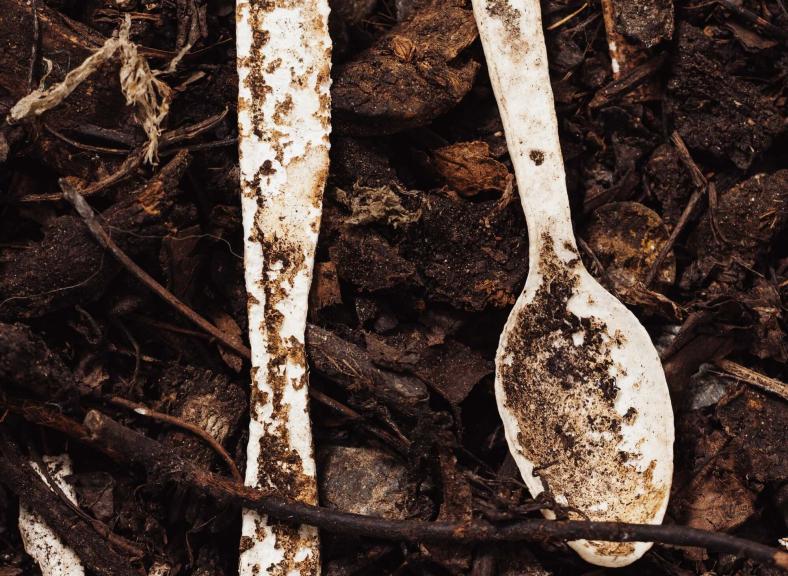
PHA can be processed through multiple end-of-life pathways, including industrial composting and organic waste streams, helping reduce landfill dependency.
 The Challenge
CJ Biomaterials was established in 2022- building on decades-long history in food and biotechnology.
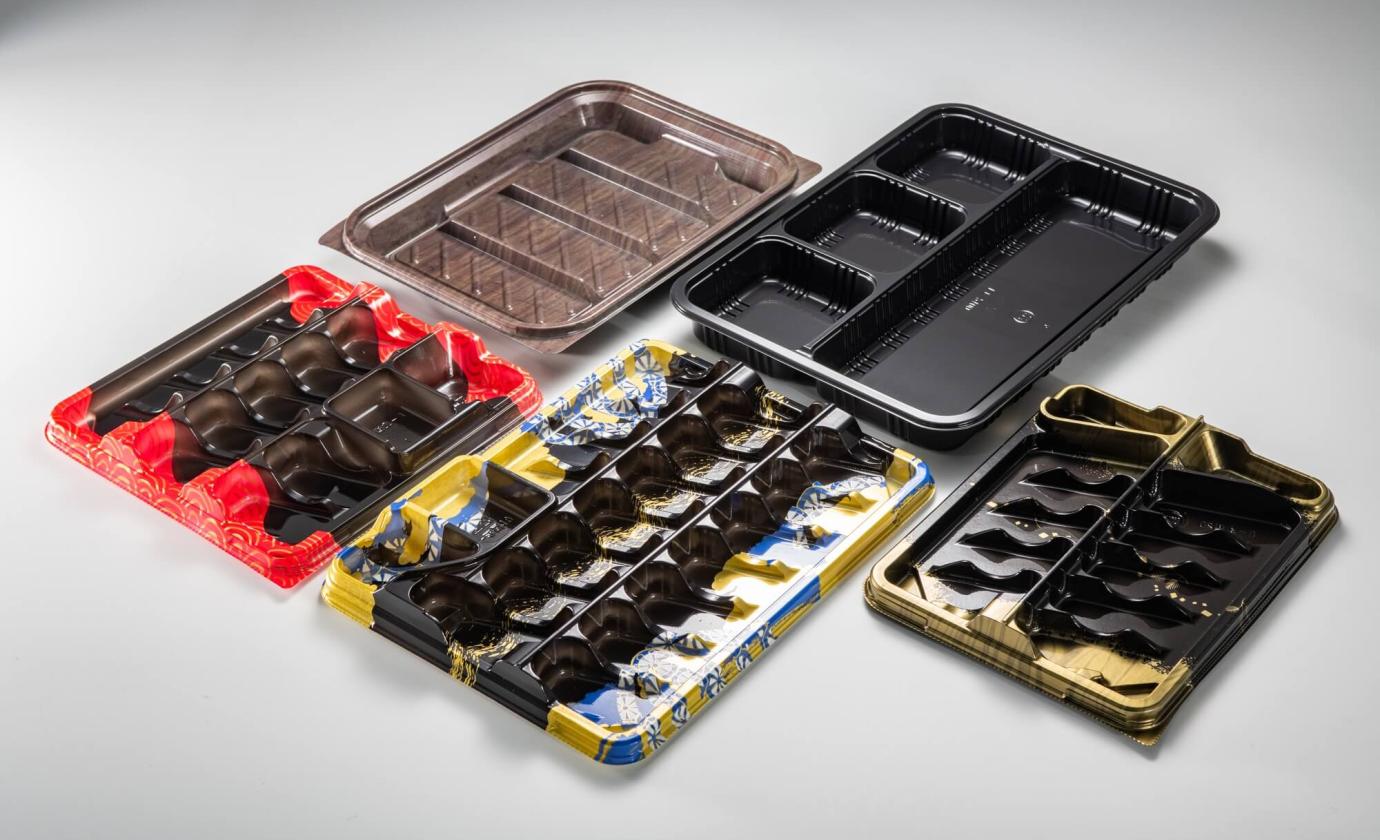
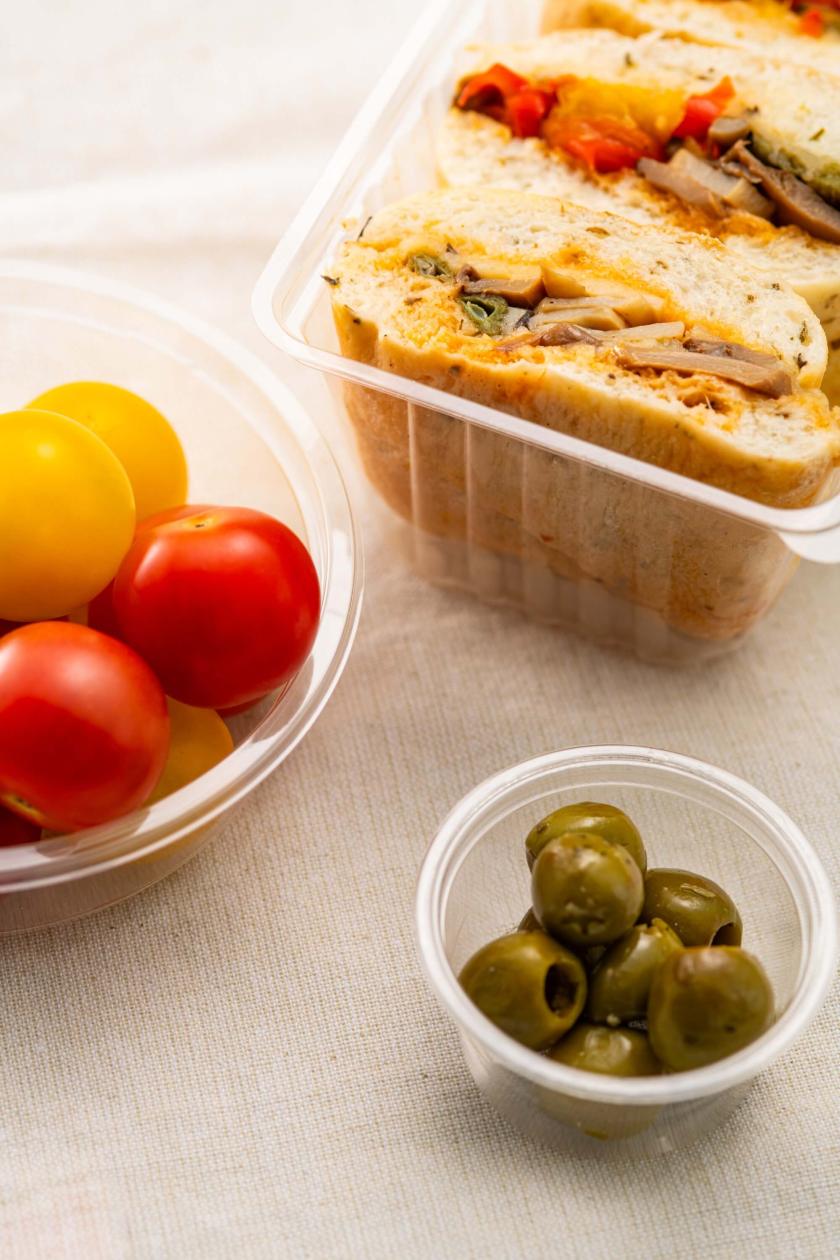
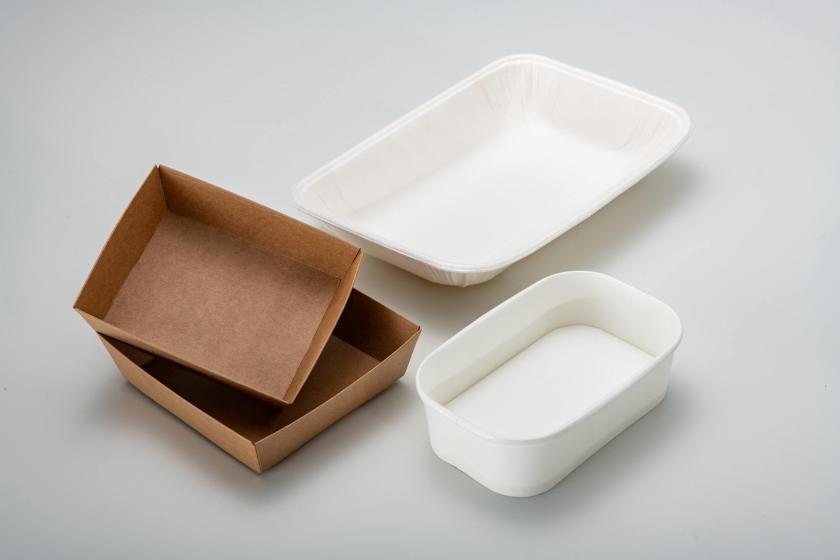
CJ Biomaterials PHACT Technology can help deliver that conveniece without the consequences of the enviromental threat. Today, we are working across a broad range of serviceware applications – from trays, straws and cutlery to coatings to enhance the functionality and environmental performance of single-use food servieware products.
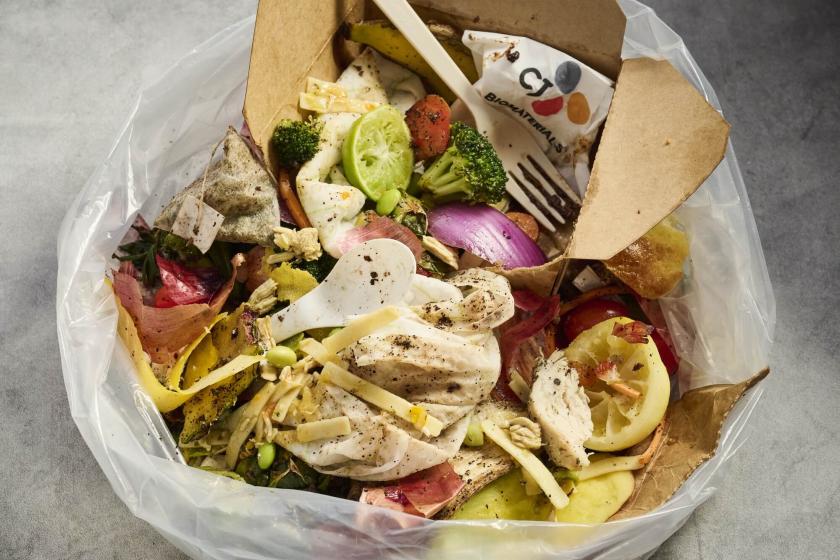
With the ability to be composted with food waste, PHACT PHA can minimize the burden on the environment and even benefit the environment by converting organic waste into useful soil amendments through industrial composting.
Key Benefits
PHA-based materials deliver the functionality required for food service applications while enabling responsible end-of-life outcomes and reducing environmental impact.

Product Highlights
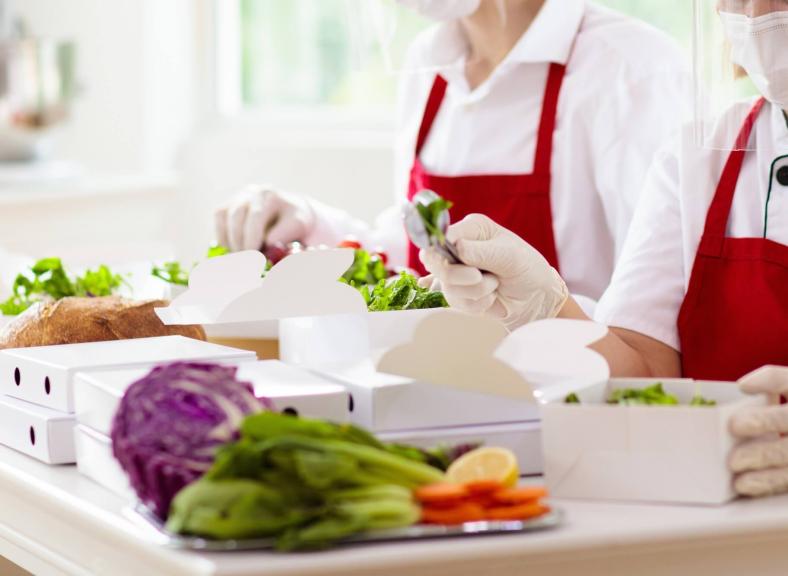
PHACT materials are designed to deliver performance, processability, and compostability – enabling real-world applications at scale.
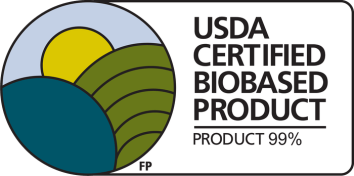
Biobased Certifications
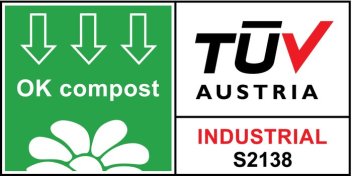
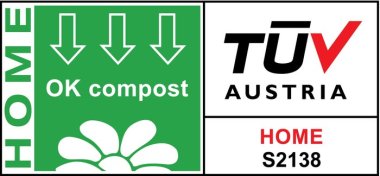
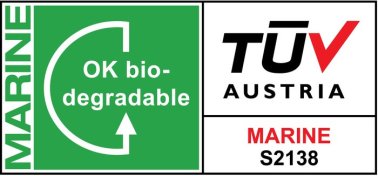
Compostability Certifications
PHACT™ PHA Food Packaging Applications
Explore how PHACT PHA performs across a range of applications from everyday products to advance packaging systems.
Material Advantages
PHACT PHA-based materials combine functional performance with responsible end-of-lie pathways – supporting the evolving needs of food packaging applications without compromising quality or scalability.
CJ Biomaterials PHACT technology can play an important role in enhancing the environmental profile and the performance of a broad range of food and beverage flexible and rigid packaging types. From containers and bags to bottles and coatings, certified foo-safe PHA technology can function alone or in combination with other biopolymers to help usher in the next generation of food and beverage products.
PHACT PHA provides end-of-life options from commecially to home compostable certified by TUV AUSTRIA and BPI. It is also certified INDUSTRIAL, SOIL, and MARINE biodegadable by TUV AUSTRIA
Gallery
Explore how PHA materials are applied across food service, packaging, and consumer products – demonstrating real-world performance and versatility.

See PHACT™ PHA in Action
PHACT™ PHA can be used in a variety of applications!


FAQs
Find answers to common questions about PHA materials, applications, performance, and sustainability.
Explore PHACT™ PHA for Your Applications
Our technical team can help evaluate materials, performance requirements, and sustainability targets for your application.
PHACT™ PHA provides high-performance, compostable materials for food packaging. It is designed to deliver the necessary durability and functionality for food applications while offering significantly improved, responsible end-of-life outcomes compared to traditional single-use plastics.
Yes. PHACT™ PHA is engineered to be safe and non-toxic for everyday use. It uses certified food-safe technology, making it perfectly suited to support food contact applications without harmful additives or leaving behind toxic residues.
PHACT™ PHA is highly versatile. It can be used for a broad range of food and beverage packaging, including both rigid applications (like containers and bottles) and flexible applications (like bags, films, and coatings).
Yes. One of the main advantages of PHACT™ PHA packaging is its ability to be composted directly with food waste. Through industrial composting, it helps convert organic waste into useful soil amendments instead of sending it to a landfill.
No. PHACT™ materials are engineered for high processability and functional performance. They meet the evolving needs of food packaging applications—from everyday products to advanced packaging systems—without compromising quality, durability, or manufacturing scalability.